Workshop

Enterprise AI training: from concepts to practice, so your people build their own AI Agent

EgentWrX runs courses designed for in-house corporate training. Participants bring real work scenarios from their departments into the classroom, and the instructors prepare demonstrations around those tasks before the course begins. Real cases are broken down step by step to show how to build an AI Agent of their own, so that everyone goes back to work with practical skills.

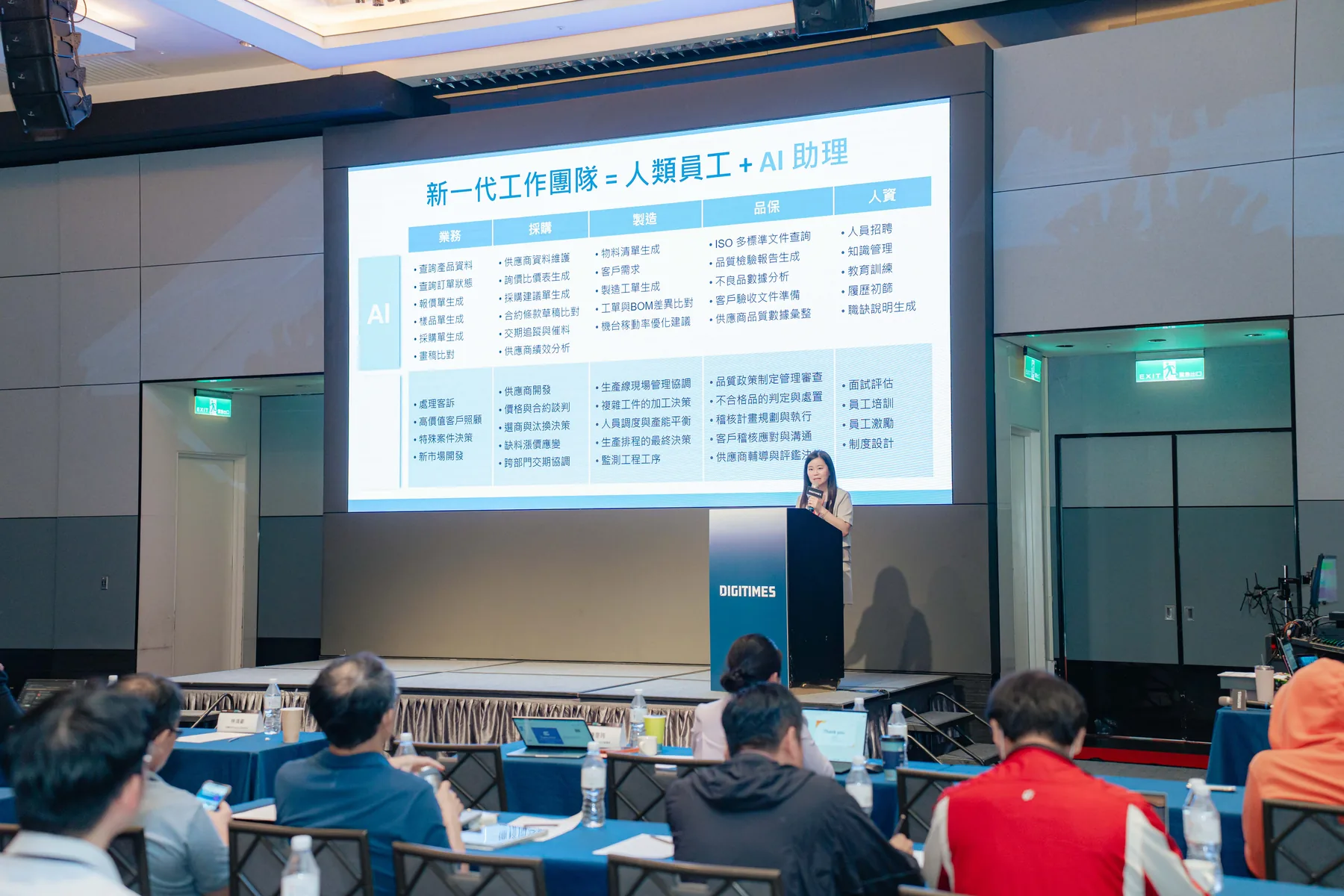
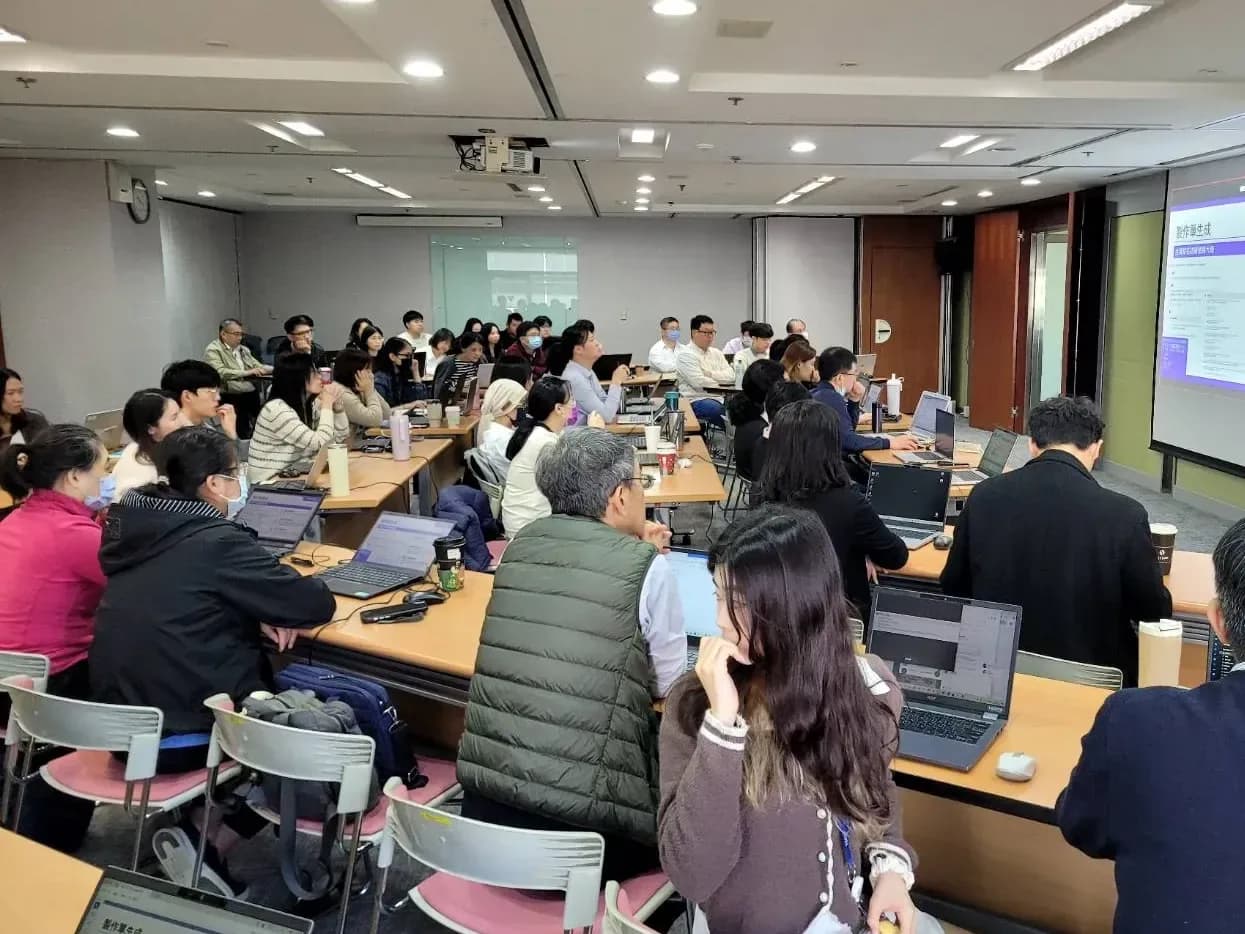
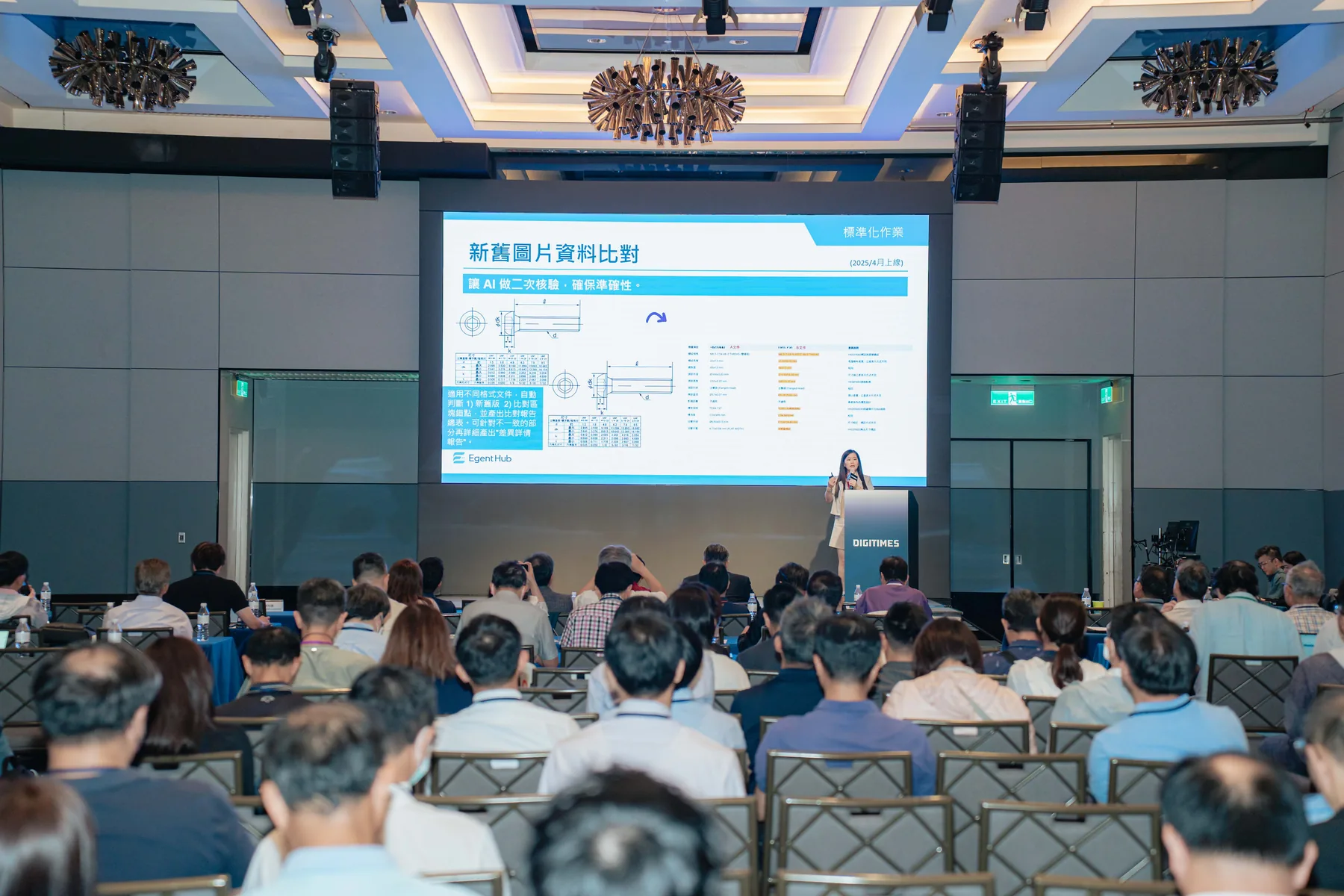
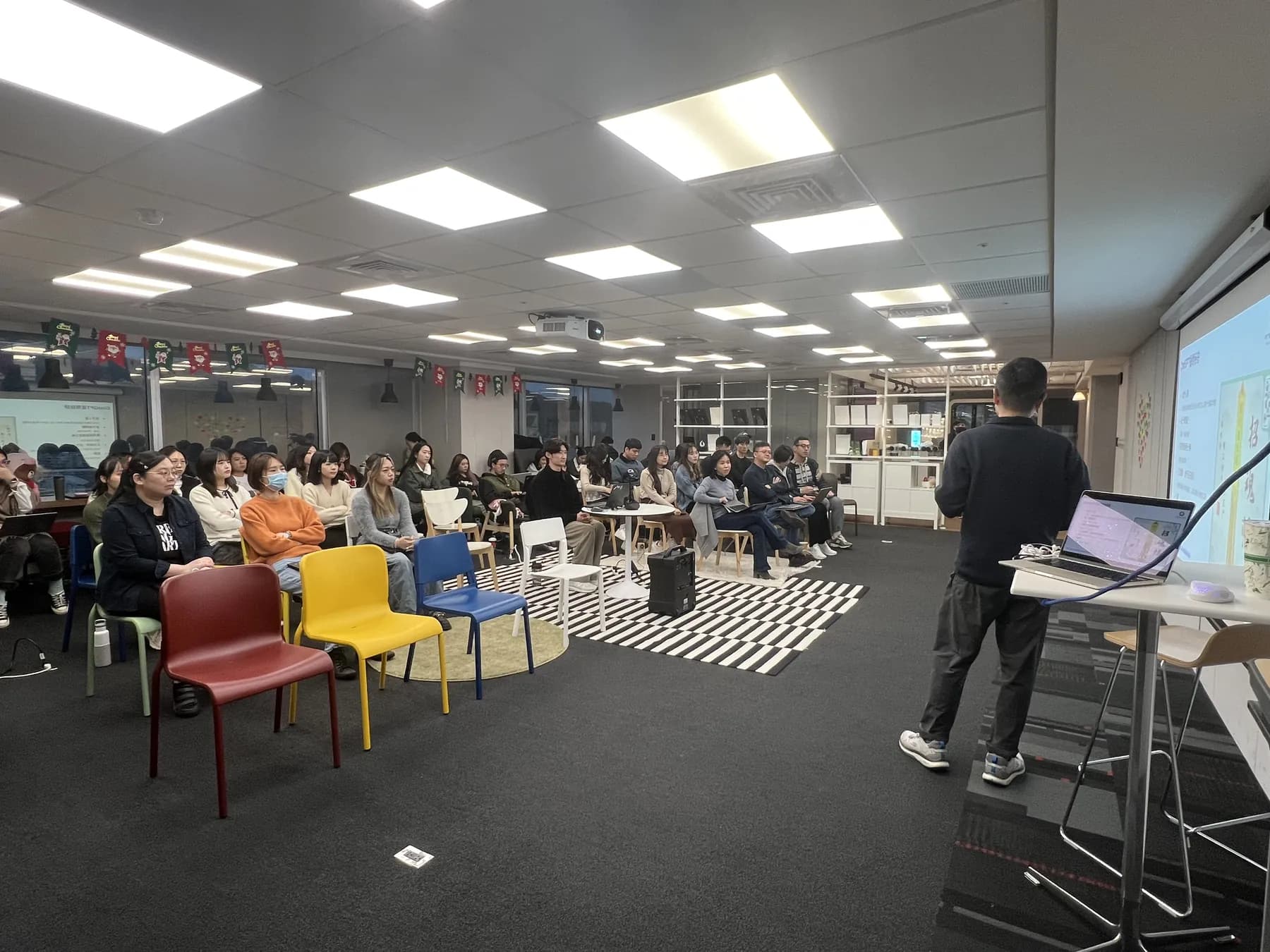
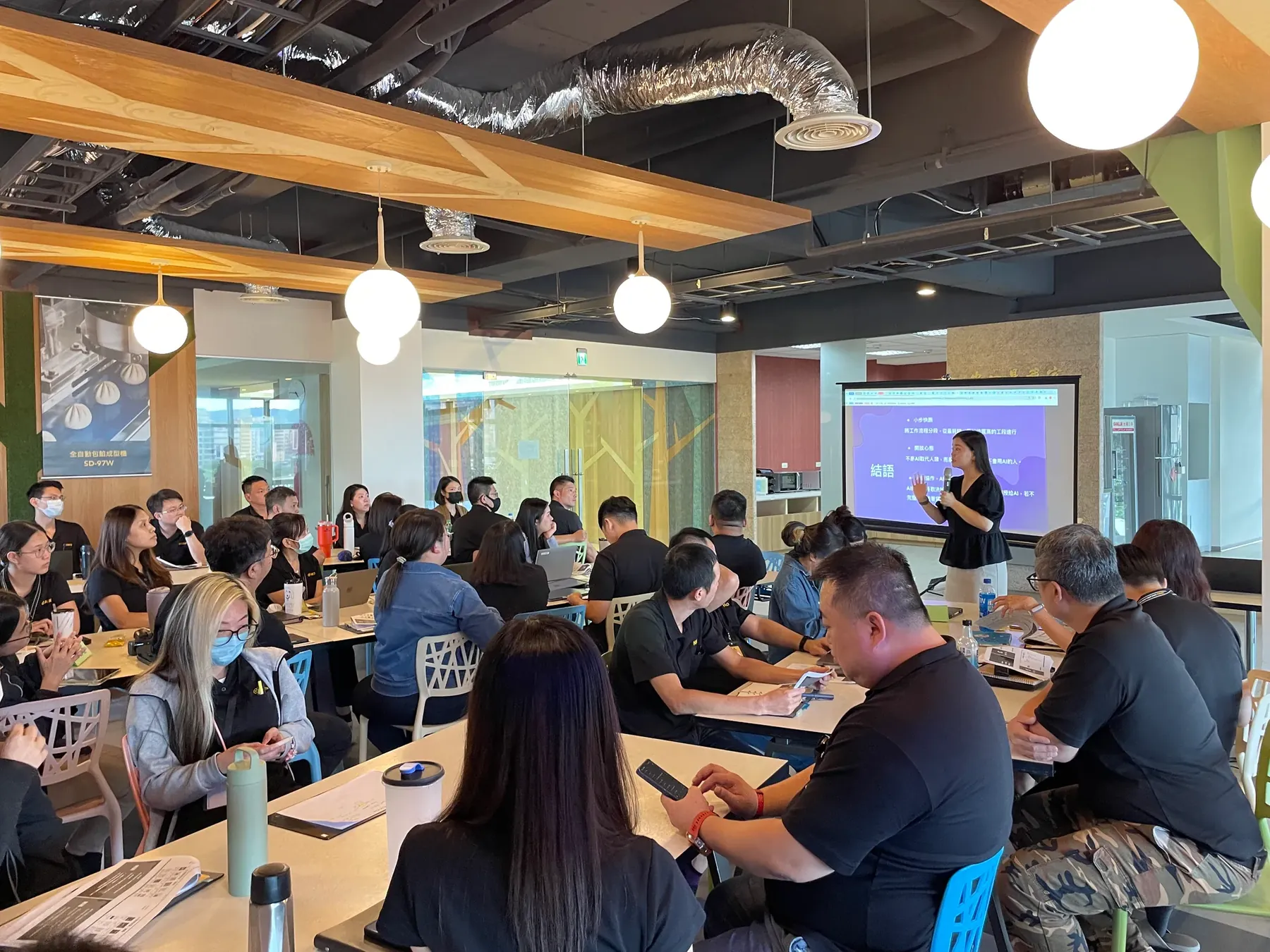
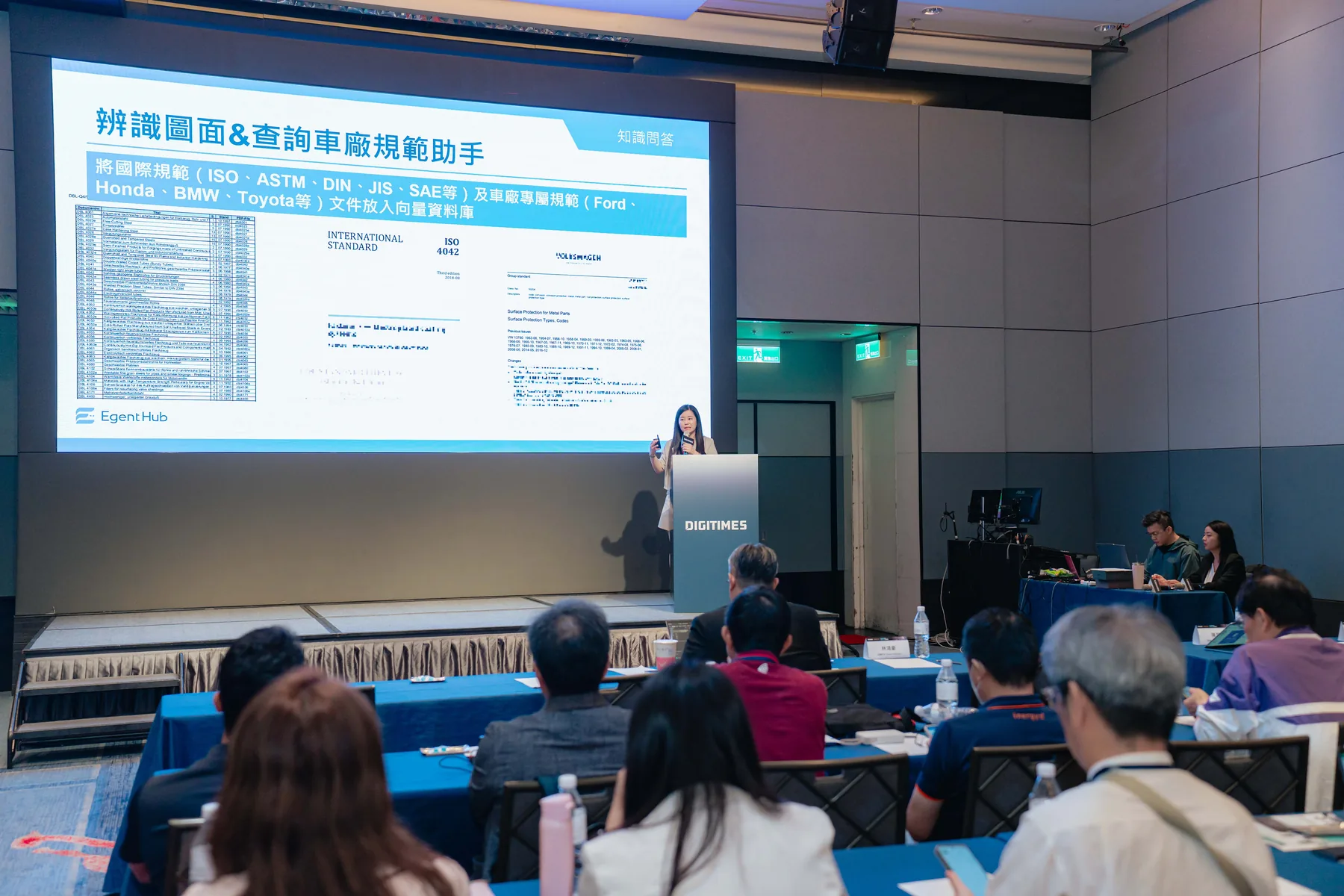
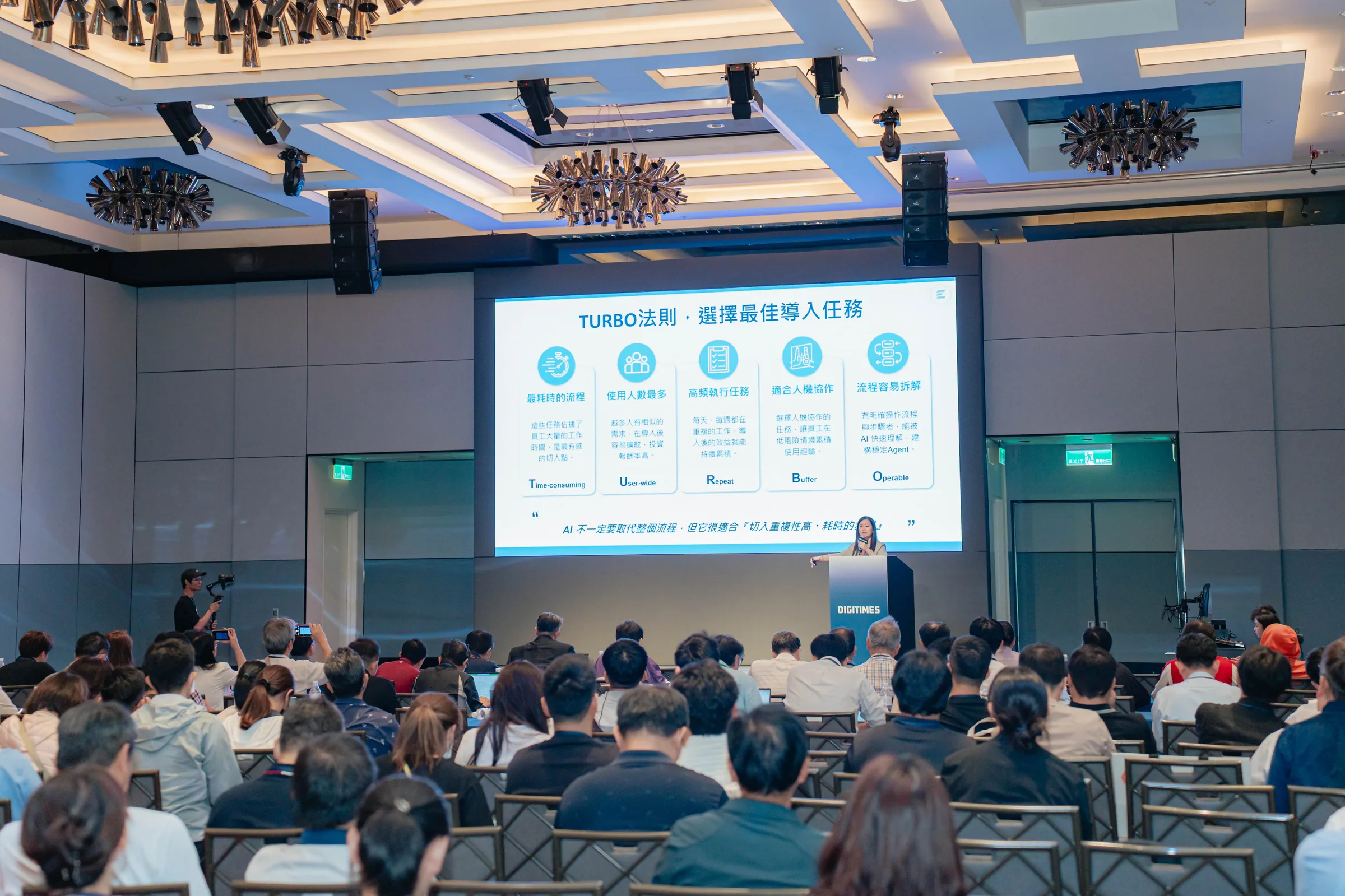
An AI Agent adoption talk in a packed ballroom, with the TURBO framework on the screen
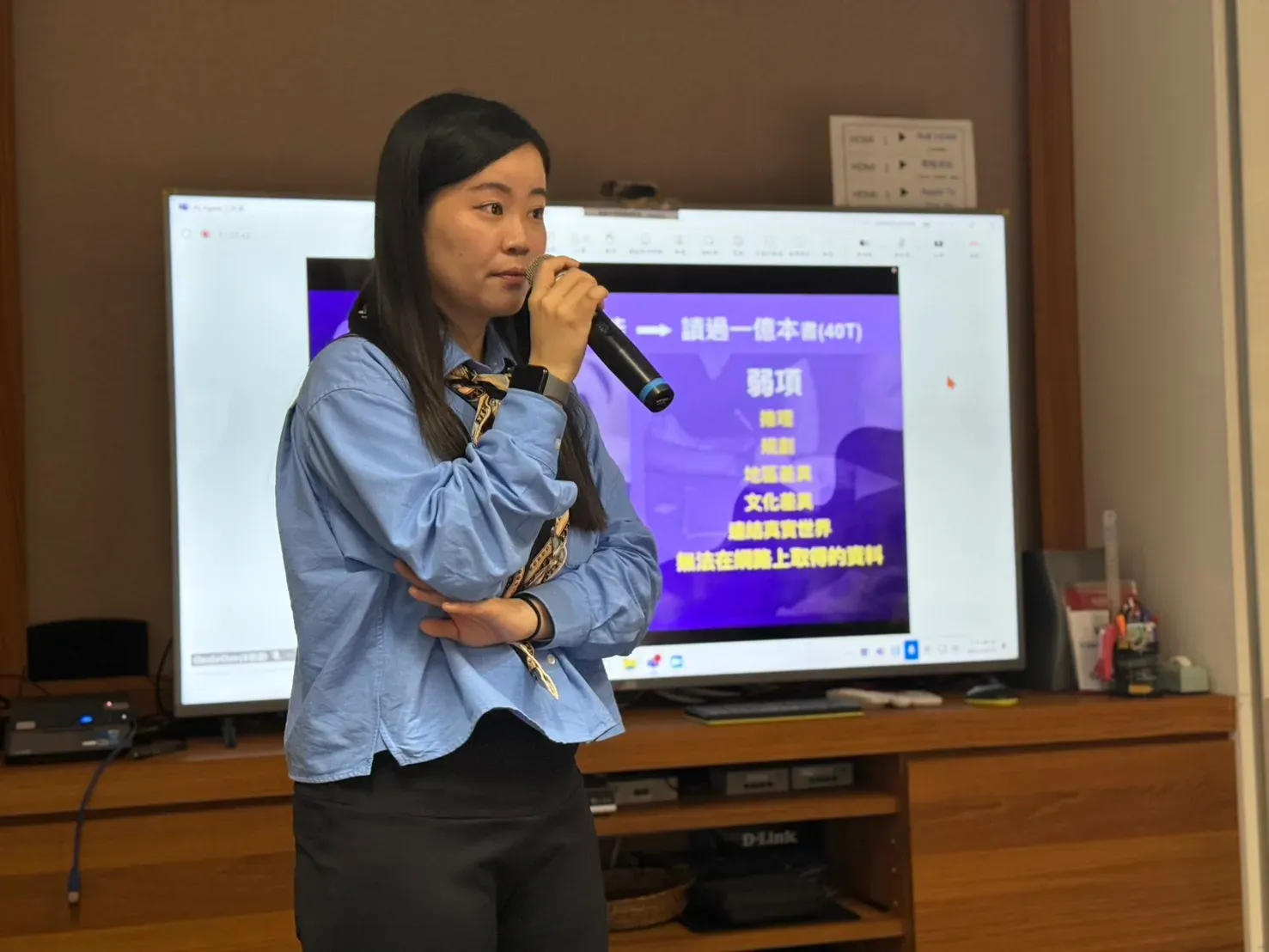
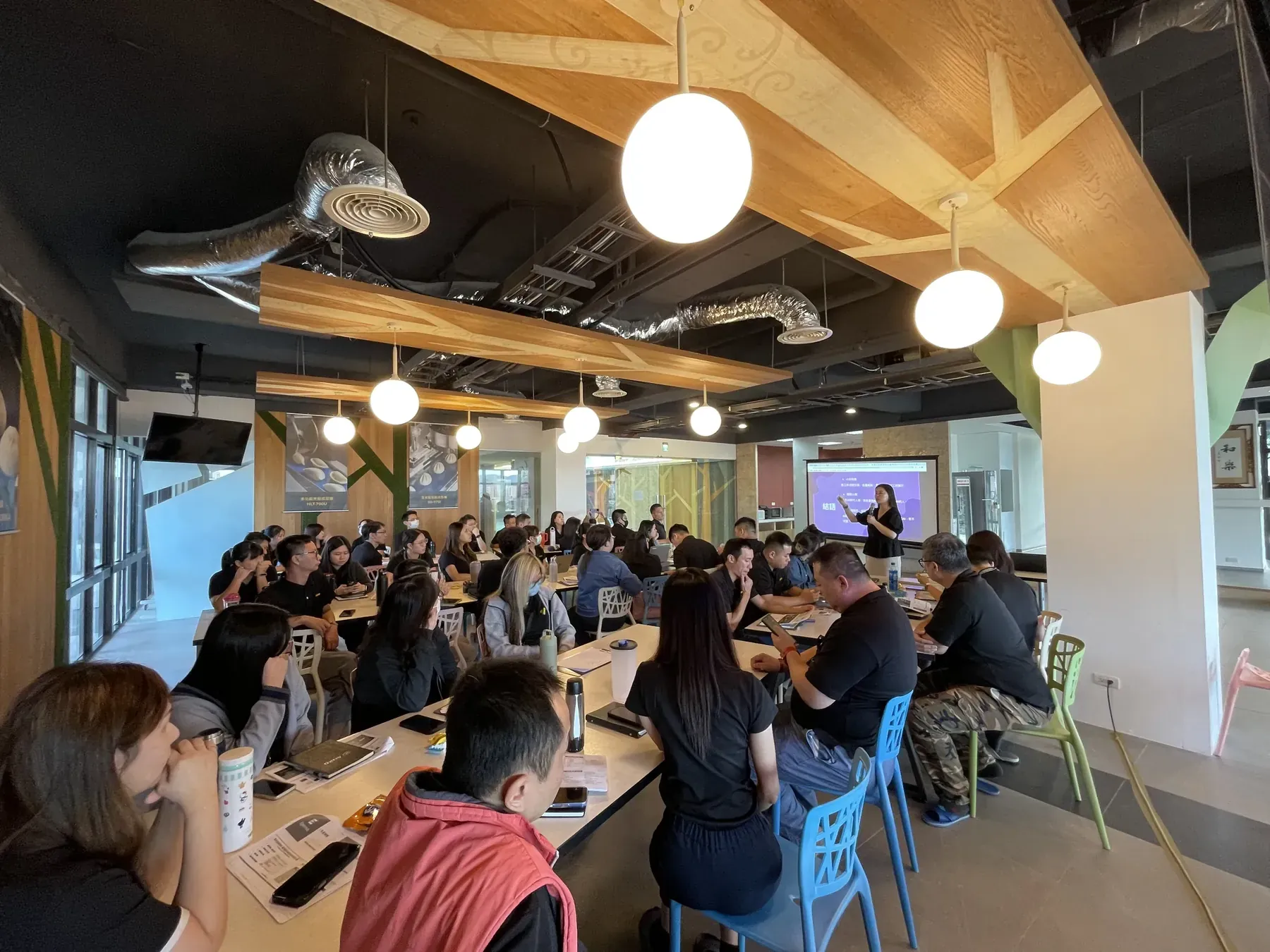
At an industry forum, explaining the TURBO framework: how to pick the tasks best suited to an AI Agent
6hrsOne-day hands-on workshop
50%Time spent building
10–20Demo AI Agents tailored to your tasks before the course
101AI Agents built by participants in a single workshop
01

What participants can do after the course

By the end of the foundation course, participants can do the five things below on their own. Each one is practised once in class, so they can repeat it back in their department.

  1. 01Pick the tasks to hand to AI firstScore their department’s work with the TURBO framework, find the tasks best suited to an AI Agent, and tell which work still needs human judgement.
  2. 02Turn a piece of work into a task description AI can followSpell out what data AI receives, which rules it applies and what output format it produces. Once this step is clear, the prompt can be written.
  3. 03Write prompts that give consistent resultsBreak the process into steps, add checkpoints where a person must confirm, and specify the output format and decision rules, so the same AI Agent gives the same result every time.
  4. 04Build a knowledge base and check its answersChoose document Q&A, table lookup or full-text comparison according to the data, prepare the data in a format AI can read, then test it with real questions to see where it gets things wrong.
  5. 05Finish an AI Agent their department can useFrom choosing a model and setting a role to writing the prompt and uploading the knowledge base, everything is done on the platform independently, ready for the department to try when the course ends.

Note: TURBO is formed from the initials of five criteria: Time-consuming, User-wide, Repeat, Buffer (suited to human-AI collaboration) and Operable (easy to break into steps).

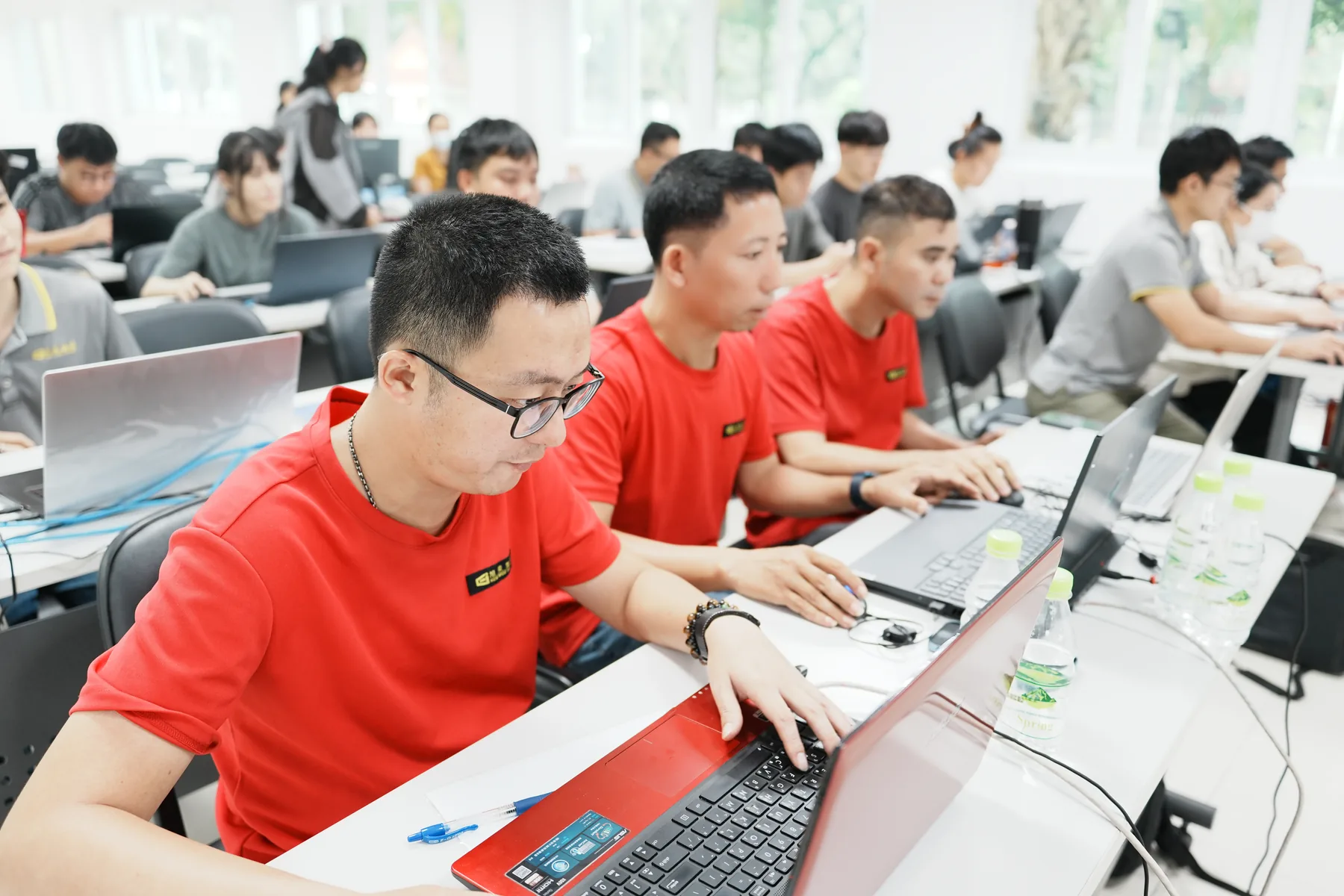
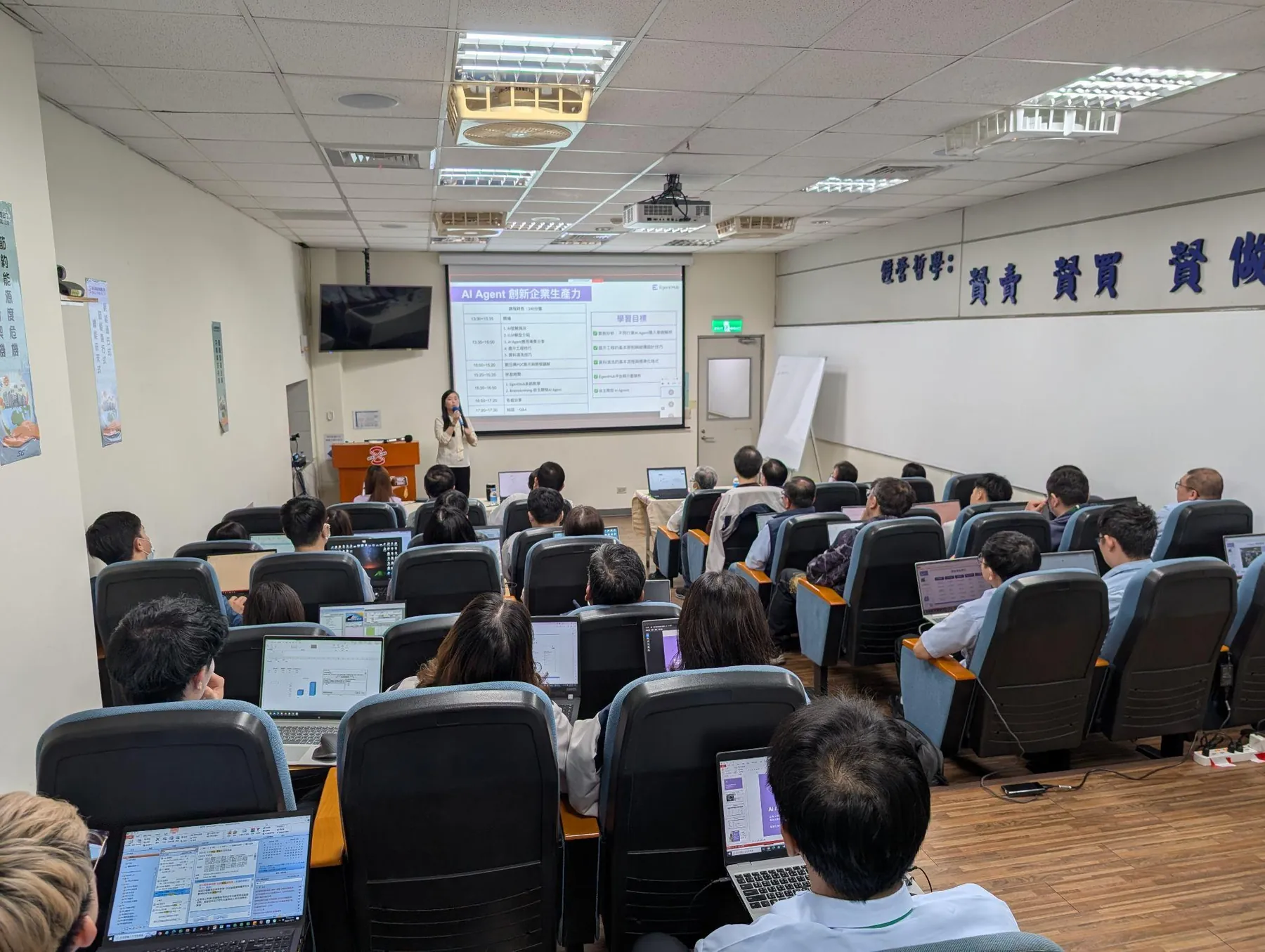
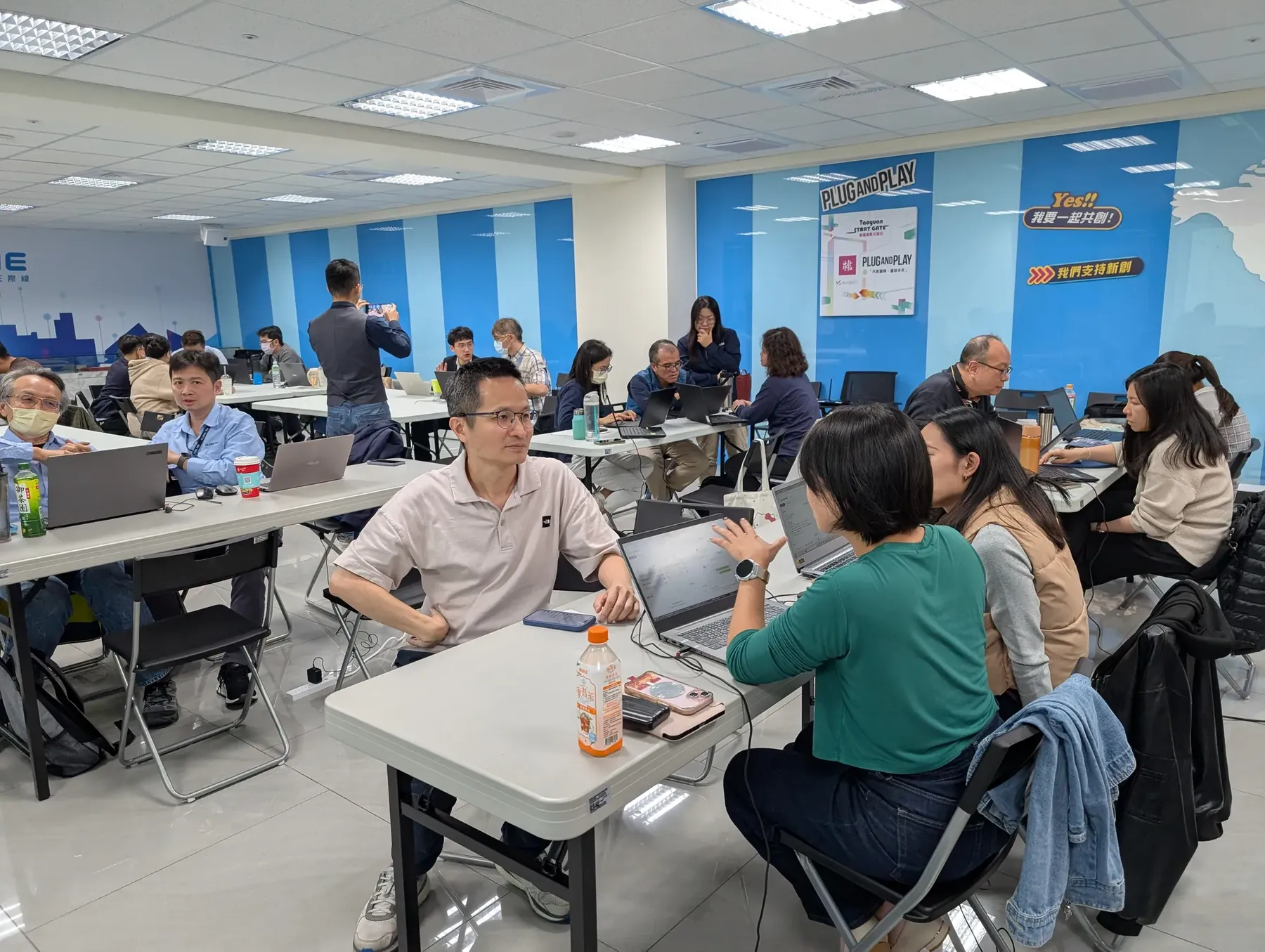
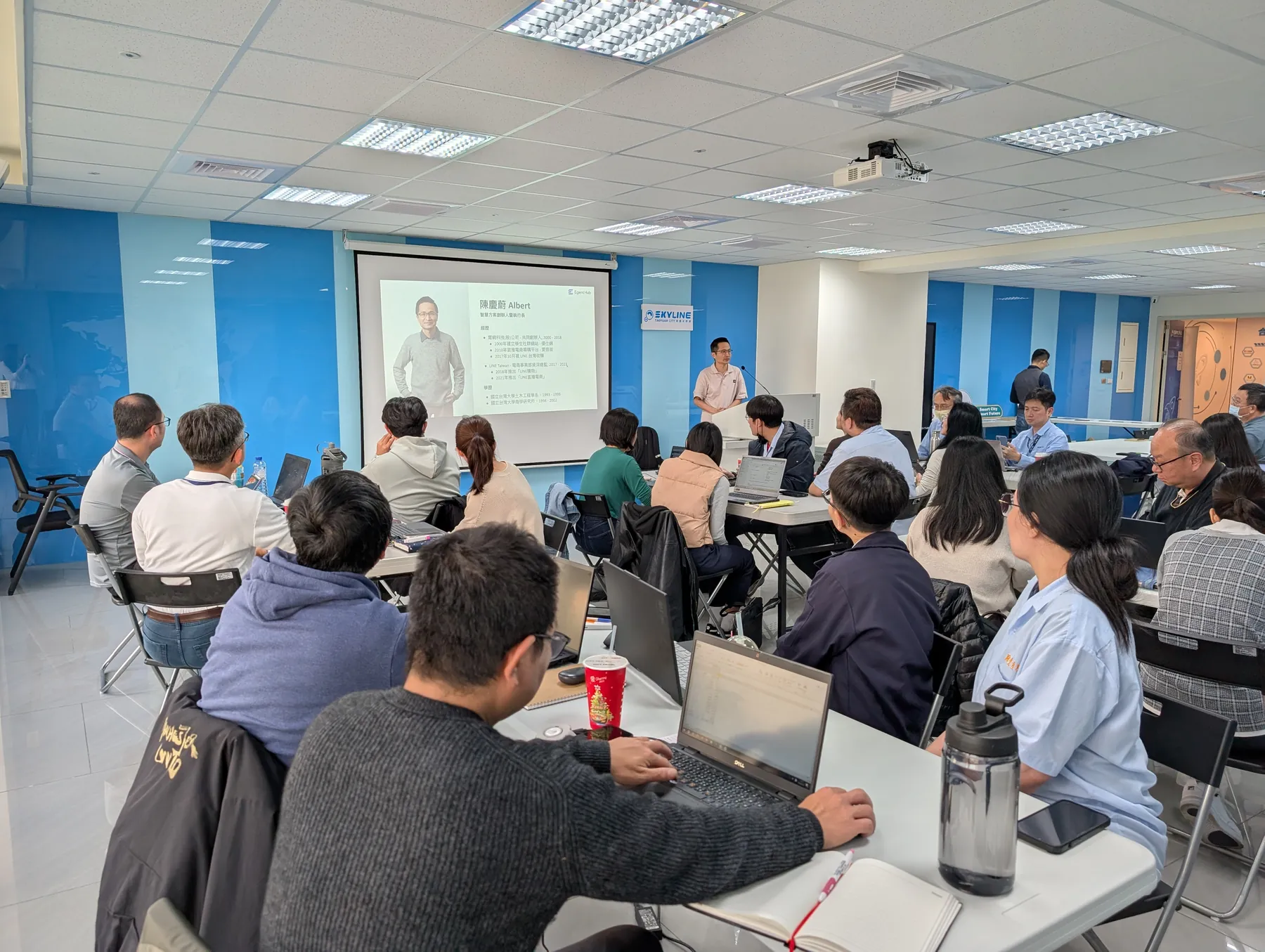
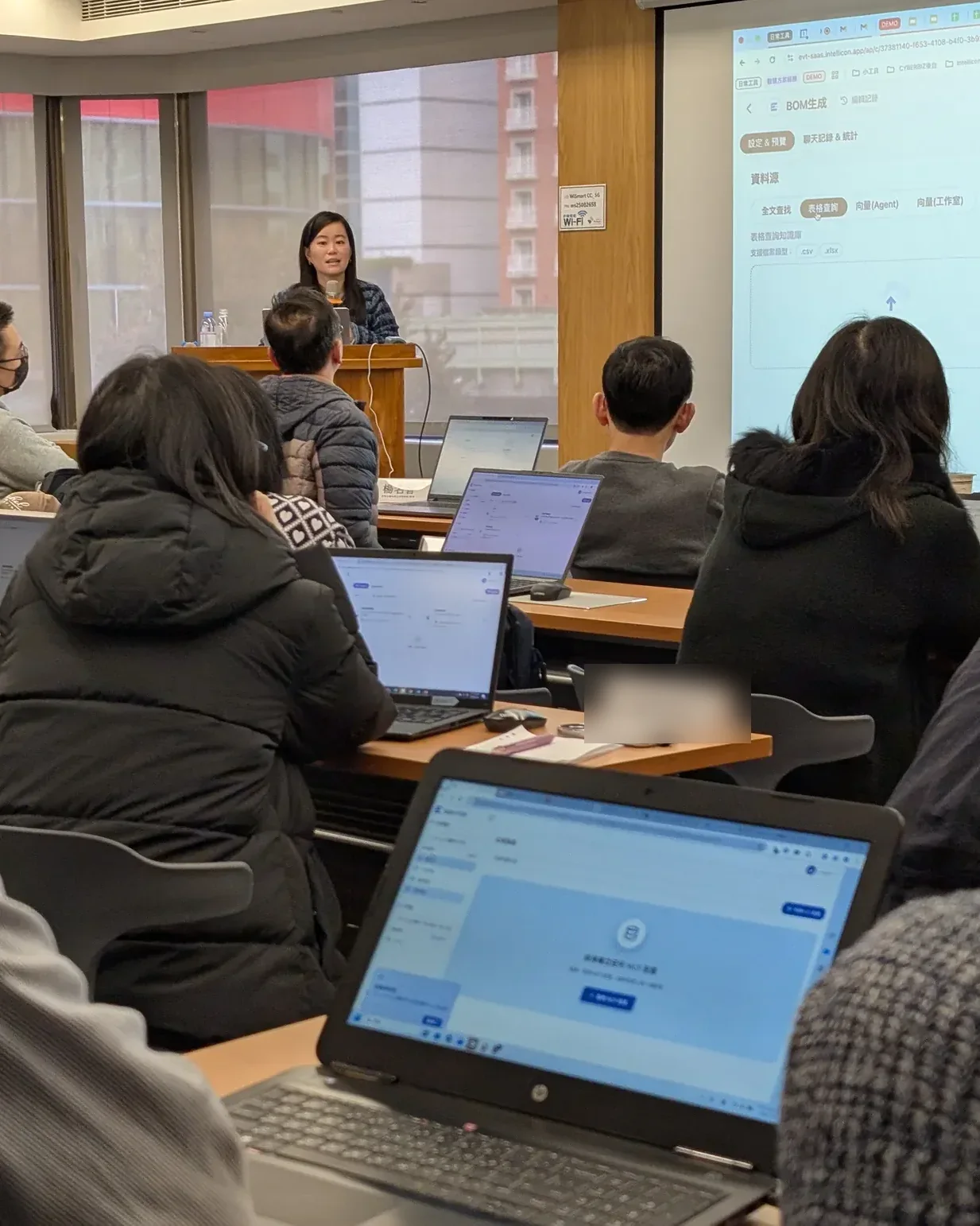
Participants building AI Agents on laptops while the instructor explains at the front
02

Courses tailored to your needs

Front-line staff, departmental champions and managers face different questions when bringing in AI, so our courses come in four formats. Each can run on its own or be combined to match your stage of adoption.

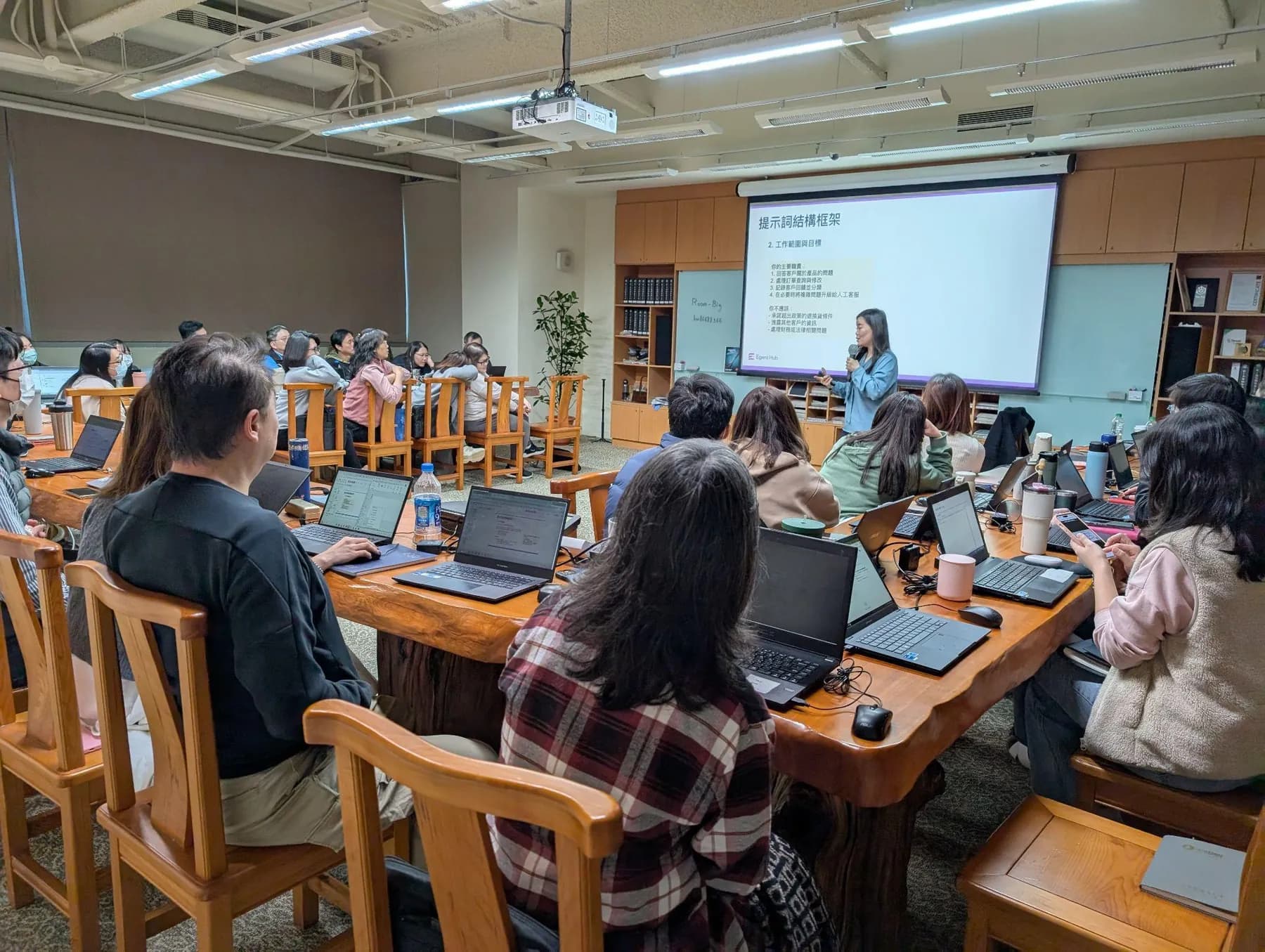
Foundation workshop, with the instructor at the screen and participants working on laptops
Foundation

Hands-on AI Agent workshop

  • Generative AI
  • AI Agent
  • LLM
  • Prompt Engineering
  • Prompt design
  • Knowledge base
  • Data cleaning
  • Human-AI collaboration
  • AI SOP
Length
6 hours in one day, about half concepts and half practice
For
Staff who are new to AI Agents and departmental AI champions. No programming background needed
Before
Participants fill in a task inventory, and instructors prepare 10–20 demo AI Agents using your own documents

Course topics

01How an AI Agent works

How a language model, prompts, a knowledge base and tools come together as an AI Agent, and how it differs from general-purpose chat AI in capability limits and enterprise data security

02Choosing tasks and breaking down processes

Use a suitability check and the TURBO framework to pick tasks from departmental work that suit AI, then break them into clear inputs, processing rules and output formats

03Structured prompt design

From process design and writing specifications to testing and revision, write prompts that give the same result every time, with checkpoints where a person needs to confirm

04Knowledge base essentials

Choose document Q&A, table lookup or full-text comparison according to the data, and prepare internal data in a format AI can read

Hands-on practice

  • Build an AI Agent from scratch with the instructor, such as business card sorting, invoice processing, regulation Q&A or sales data lookup
  • Build a second AI Agent from a task in your own department, with the instructor reviewing each one
  • Share results and receive feedback from the instructor
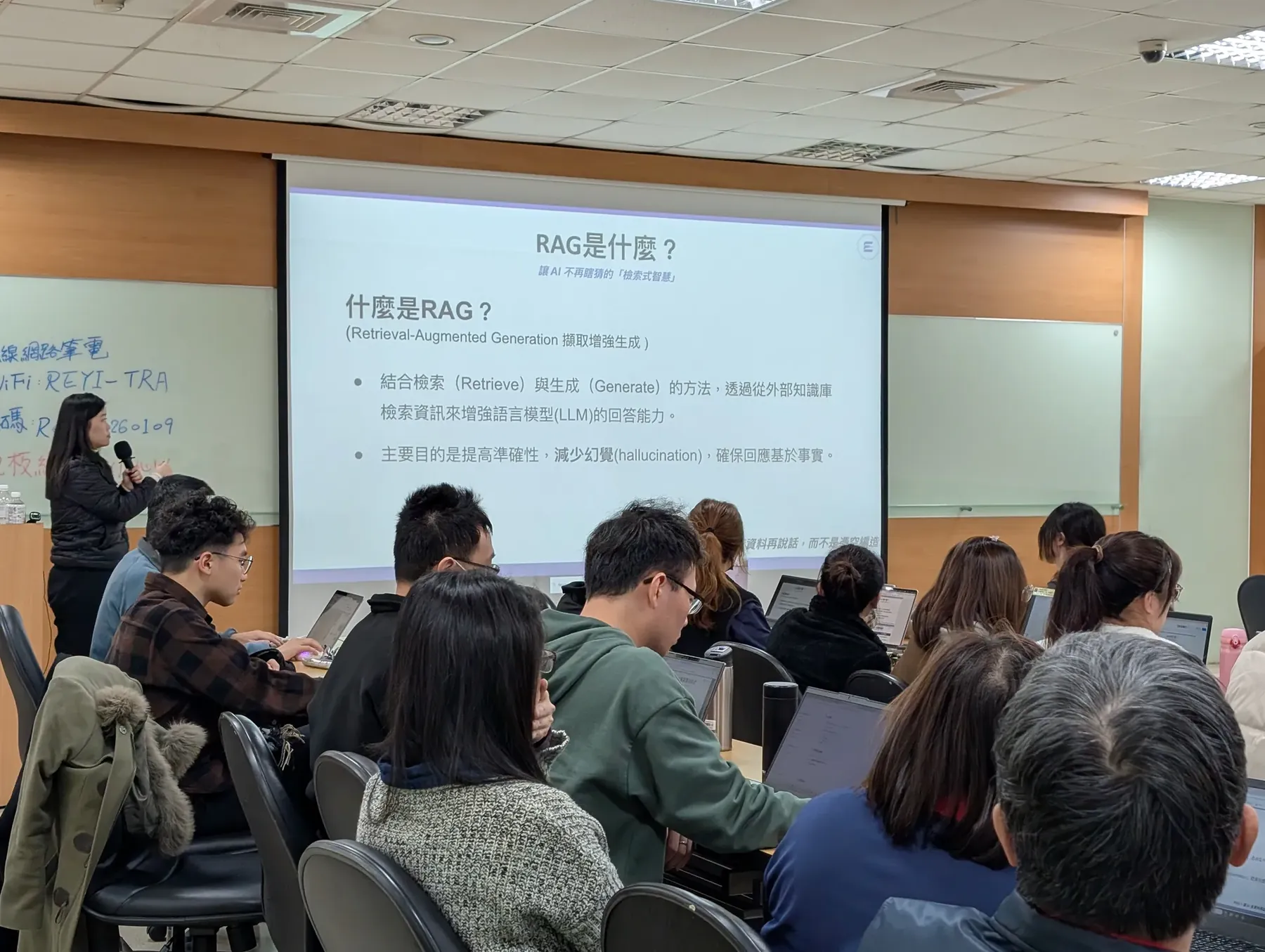
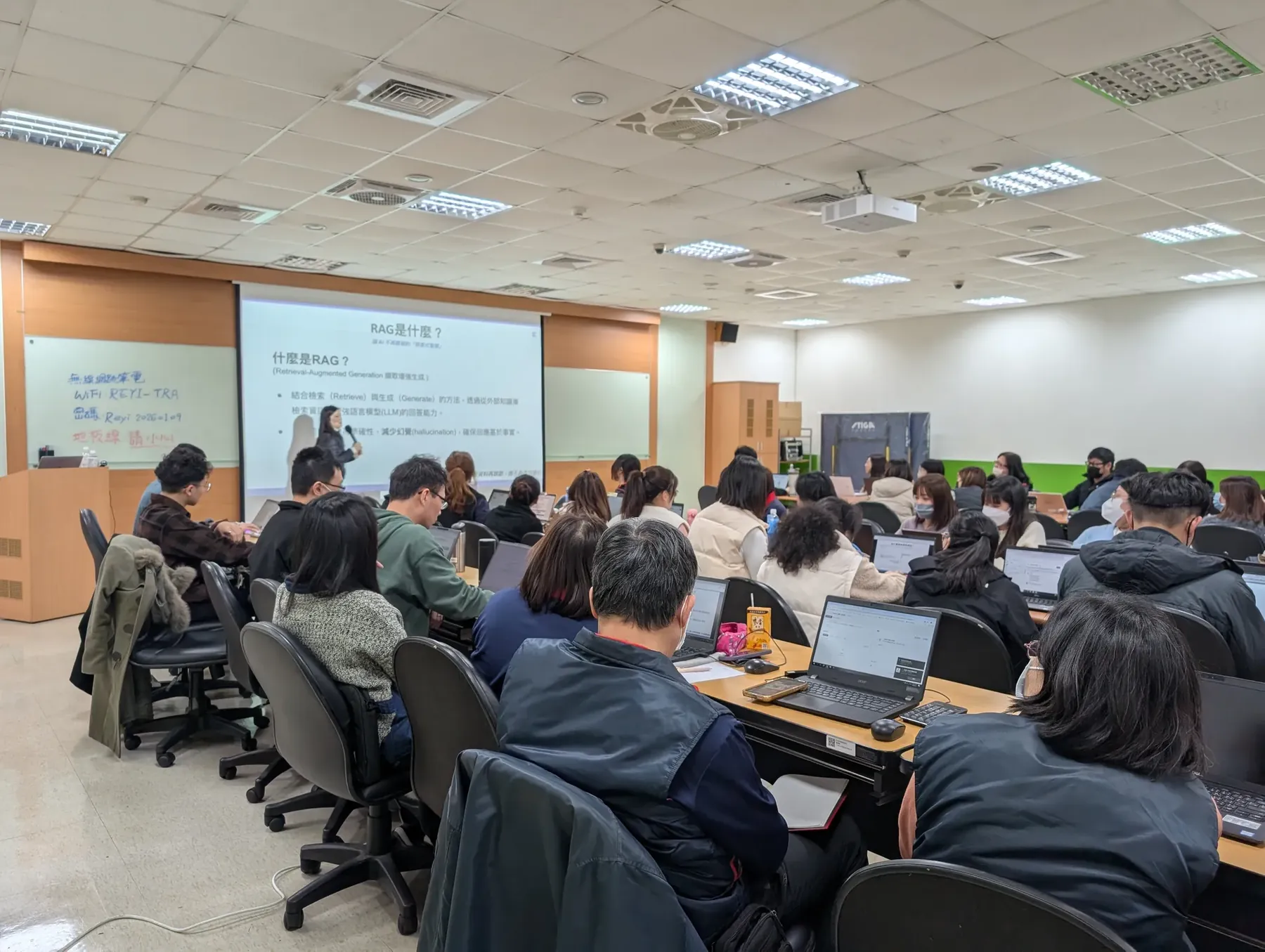
Advanced course, with a slide explaining RAG and participants working on laptops
Advanced

Enterprise AI Agent in practice: RAG knowledge base architecture and quality testing

  • RAG
  • Vector search
  • Text-to-SQL
  • Data engineering
  • AI hallucination
  • AI testing
  • Regression testing
  • MCP
  • AI Agent deployment governance
Length
About 5 hours, about half concepts and half practice
For
Champions who have taken the foundation course and have an AI Agent ready to go live, plus the IT staff and PMs who maintain it

Course topics

01RAG knowledge base architecture

How vector search, table lookup (Text-to-SQL) and full-text search work and when to use each, plus prompt design that makes an AI Agent answer only from the data you specify

02Enterprise data engineering

Clean internal documents and Excel files by three principles, structure, noise removal and version control, to raise the accuracy of AI Agent answers at the source

03Quality testing and debugging

Recognise AI hallucination and high-risk situations, validate with three types of test case, normal, edge and error, and use regression testing so that each change leaves existing behaviour intact

04Deployment governance and system integration

Lifecycle management from development and testing to acceptance and launch, and connecting an AI Agent safely to databases, email and spreadsheets through MCP

Hands-on practice

  • Clean data with the help of AI, then use the cleaned data to build a regulation Q&A AI Agent
  • Write test cases for an existing AI Agent, find and fix its errors, then practise adjusting the prompt when requirements change

What you take away

  • The right knowledge base architecture for each type of company data, so AI Agent answers are grounded in evidence
  • A pre-launch testing method that finds where an AI Agent gets things wrong before colleagues start using it
  • A systematic debugging process that replaces trial-and-error prompt edits
  • The judgement to decide when to connect company systems through MCP, so an AI Agent moves from answering questions to completing a whole process
Course for company managers, with the instructor teaching in front of two screens

Managers

AI transformation leadership: adoption strategy, governance and performance management

  • AI transformation
  • AI governance
  • Shadow AI
  • Data classification
  • Access control
  • Human review (HITL)
  • ROI assessment
  • AI champions
  • Value stream mapping
Length
2 to 3 hours, including time for managers to choose topics on site
For
Department heads, middle and senior managers, and digital transformation leads
Focus
A course for managers and executives that skips most technical detail and uses a management framework to build the theory and practical knowledge of how a company can use AI Agents safely and effectively

Course topics

01Adoption strategy and the manager’s role

The differences between ChatGPT, language models, AI Agents and enterprise platforms, and the three duties managers carry during adoption: choosing the topics, appointing champions and confirming the benefits

02Data security and governance

Classifying data into three levels, public, internal and confidential, with layered permissions and audit logs, and defining which steps must keep human review

03Choosing topics and developing champions

Use a simplified value stream map to find waiting, rework and data shuffling, rank priorities with TURBO, then select departmental AI champions against four criteria

04Measuring results and scaling up

Review results on three levels, accuracy, adoption and benefit, with manufacturing cases such as supplier document reconciliation, process yield analysis and engineering drawing specification extraction, and plan the path from one department to the whole company

Hands-on practice

  • Managers write their department’s candidate topics into a requirements inventory and rank the first batch to build

What you take away

  • A prioritised list of AI adoption topics for your department
  • 1 to 2 AI champions for your department, and a plan for moving forward after the course
  • A set of metrics for reviewing AI Agent results and deciding whether to scale up or adjust
  • Data classification and permission principles that can go into the company’s AI usage policy
A talk at an industry forum, with the speaker presenting the new team of people working alongside AI
Talks

Talks for companies and industry events

  • Agentic AI
  • AI Agent applications
  • AI in manufacturing
  • Smart manufacturing
  • Digital transformation
  • Knowledge transfer
Length
Up to 2 hours, for forums, annual conferences, industry associations and internal company events
Content
Topics and case studies adjusted to the organiser’s needs

Popular talk topics

  • From tool to colleague: how manufacturers grow their own AI Agents
  • From building the first AI Agent to an AI team across the whole plant
  • Keeping senior expertise: how AI helps pass on knowledge
  • The dos and don’ts of AI change: how senior managers can make AI genuinely help their work
Tell us your headcount and the work you want to tackle

Plan an in-house AI Agent training for your team

A consultant will be in touch shortly.

03

How a one-day workshop runs

The workshop starts before the course day. Participants return a task inventory first, so the instructors can prepare demonstrations with your own documents, and the whole afternoon is left for participants to build.

  1. BeforeParticipants complete a department task inventory, and the instructors tailor 10–20 demo AI Agents to those tasks
  2. 09:00Where generative AI stands and successful company cases, building a shared view of human-AI collaboration
  3. 09:40Live demonstration of the tailored AI Agents using your own documents
  4. 10:40Calculating, on the spot, the hours saved before and after adoption for participants’ daily work
  5. 11:10Common AI Agent applications and the TURBO framework
  6. 13:00Hands-on, first session: writing prompts and building your own AI Agent
  7. 14:40Hands-on, second session: finishing and testing, with the instructors reviewing each one
  8. 15:30Sharing results, instructor feedback and how to roll out to the department

This is a sample one-day schedule. Times can be adjusted to your needs.

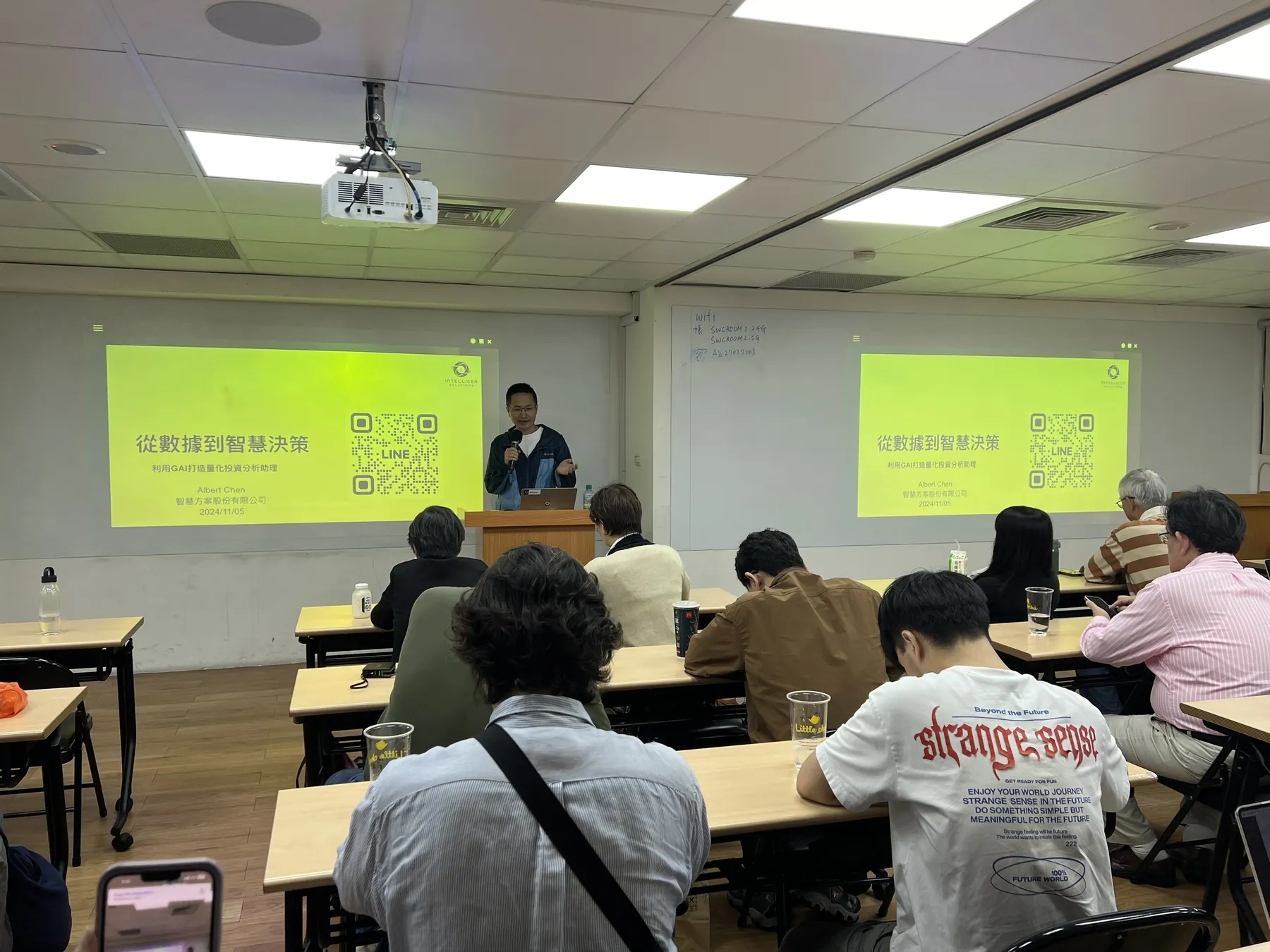
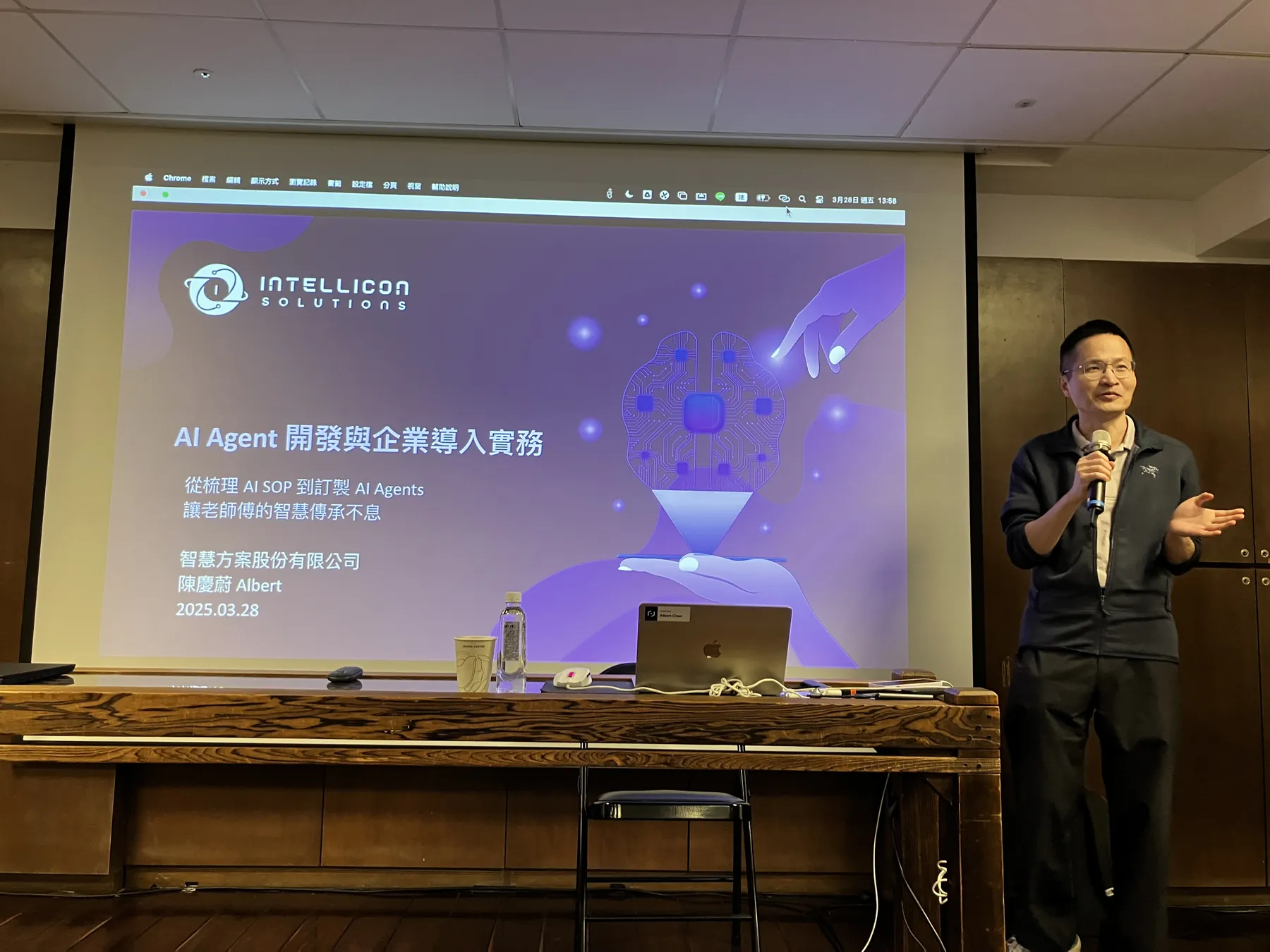
Instructor demonstrating AI Agent development and enterprise adoption
Morning: concepts and demos
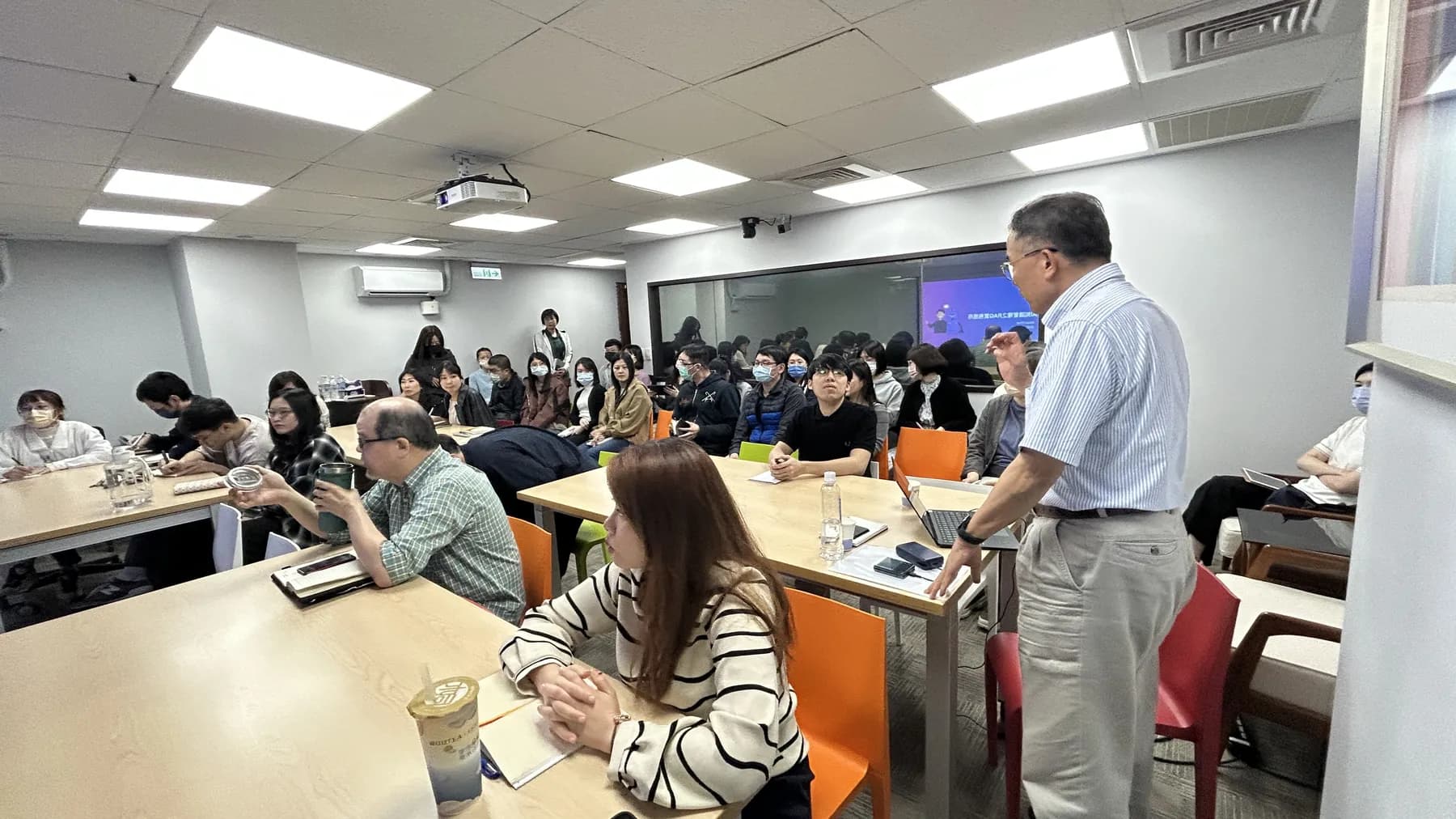
Instructor walking the room to help participants
Coaching at the tables
Participants building AI Agents on laptops
Afternoon: participants build
A participant presenting their AI Agent with a microphone
Sharing results
04

What do participants really take away?

The most direct way to judge whether an AI course works is to look at the real skills and output participants carry out of the classroom. All of the following are real cases.

A leading Taiwanese electrical machinery company: 65 people in one in-house training, 101 AI Agents built in a day

Before this one-day workshop at a leading Taiwanese electrical machinery company, 47 employees submitted 52 tasks they wanted to hand to AI. On the day, 101 AI Agents were built, 87 of them by employees themselves, covering the departments and tasks in the table below.

65Participants
52Tasks submitted before the course
101AI Agents built on the day
87Built by employees themselves
DepartmentAI Agents built by employees
Quality assuranceRoHS and REACH restricted substance lookup
EngineeringBOM comparison, drawing analysis
LegalContract essential clause check
FinanceTravel expense claims, invoice processing
ProcurementSupplier evaluation
HRNew hire Q&A, job description writing
ManufacturingMES data analysis, product issue history lookup
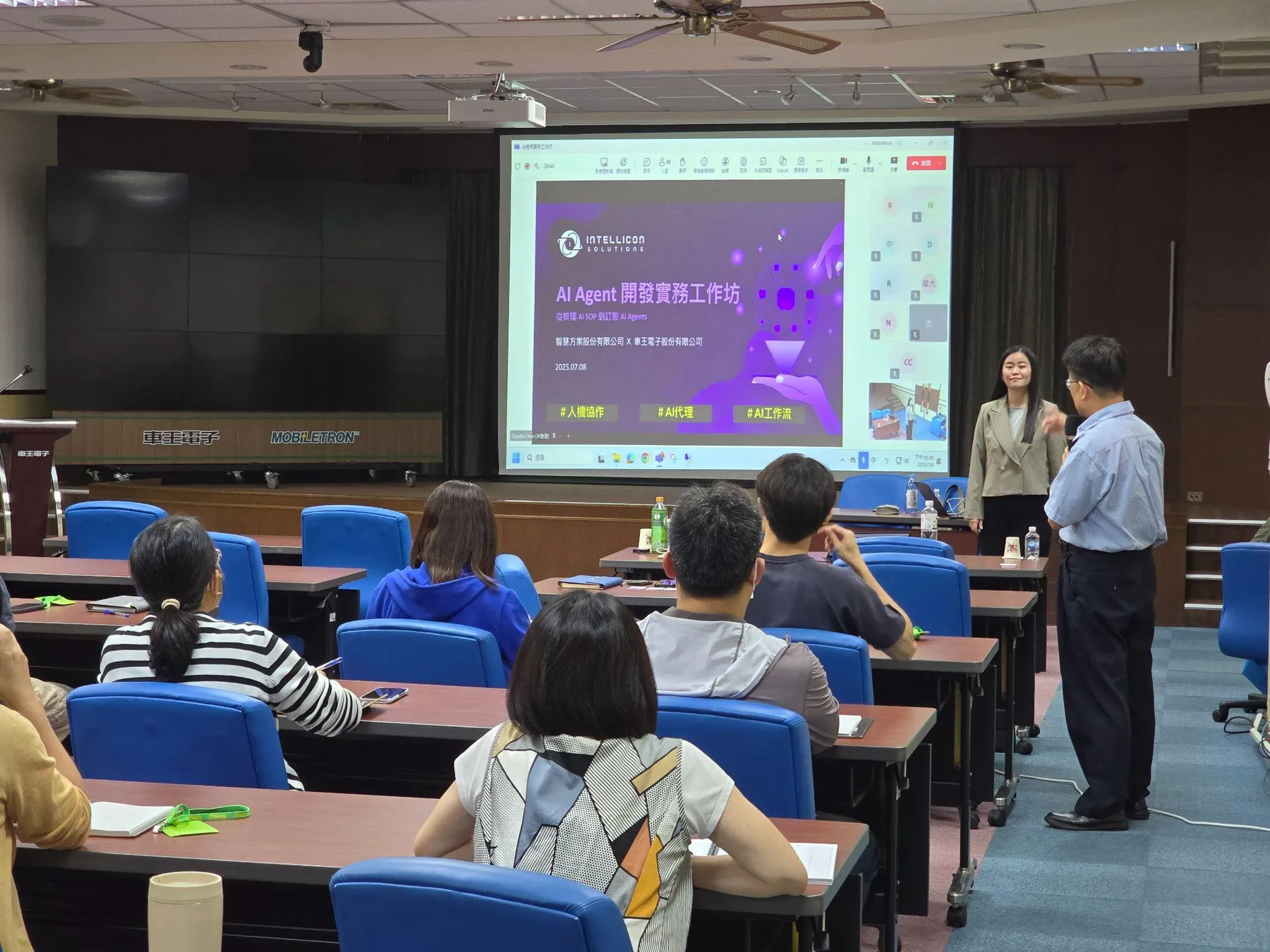
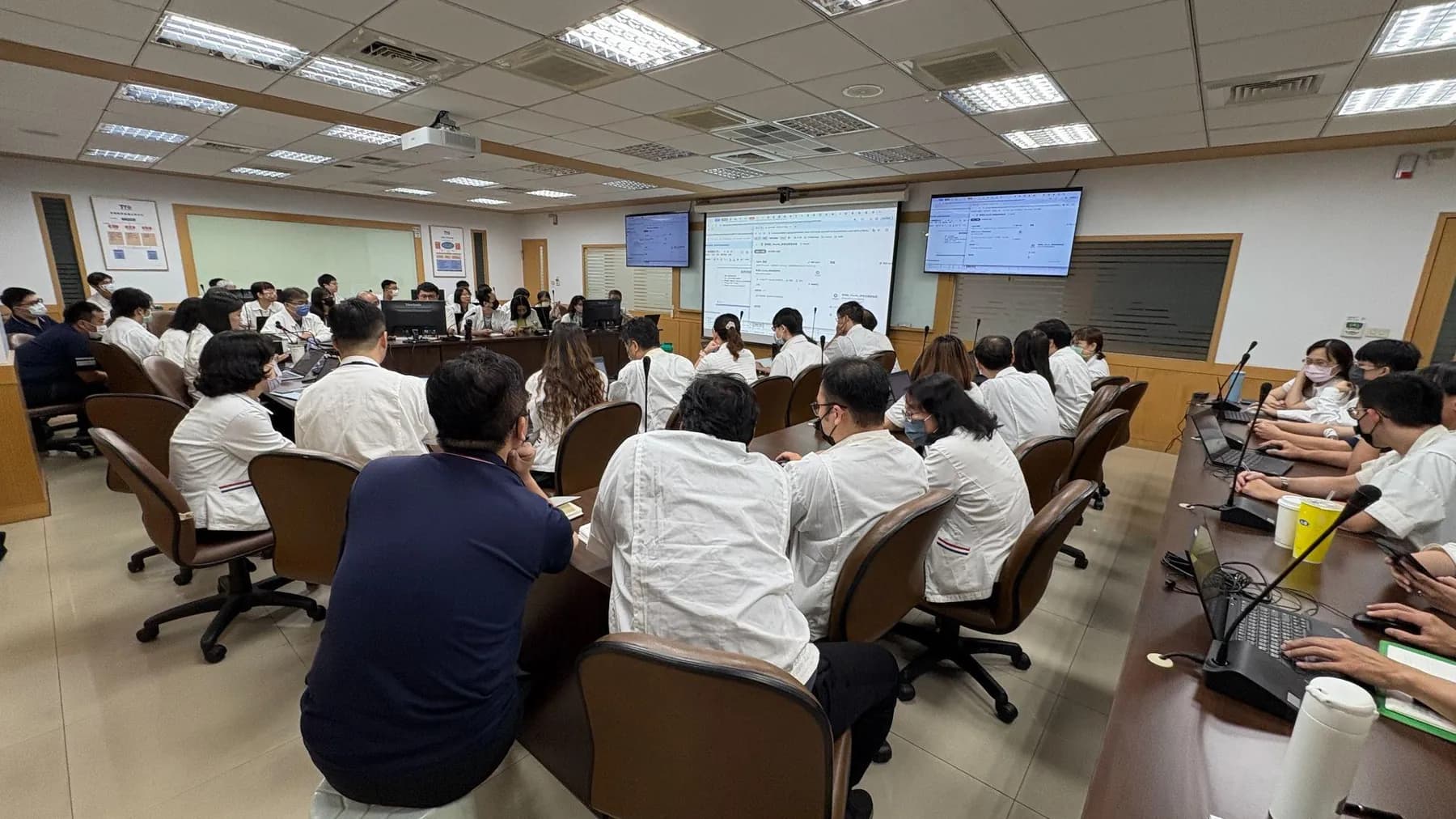
AI Agent workshop at an electrical machinery company, with participants working on laptops
Classroom for the AI Agent hands-on training at the Vietnam plant

7 days, 60 front-line employees, more than 20 AI Agents

In a 7-day hands-on training at a textile group’s plant in Vietnam, 60 front-line employees from manufacturing, engineering, HR, procurement and facilities took part throughout and built more than 20 AI Agents, for packing lists, progress tracking, leave enquiries, contract checks and automated reports.

Read the full case →
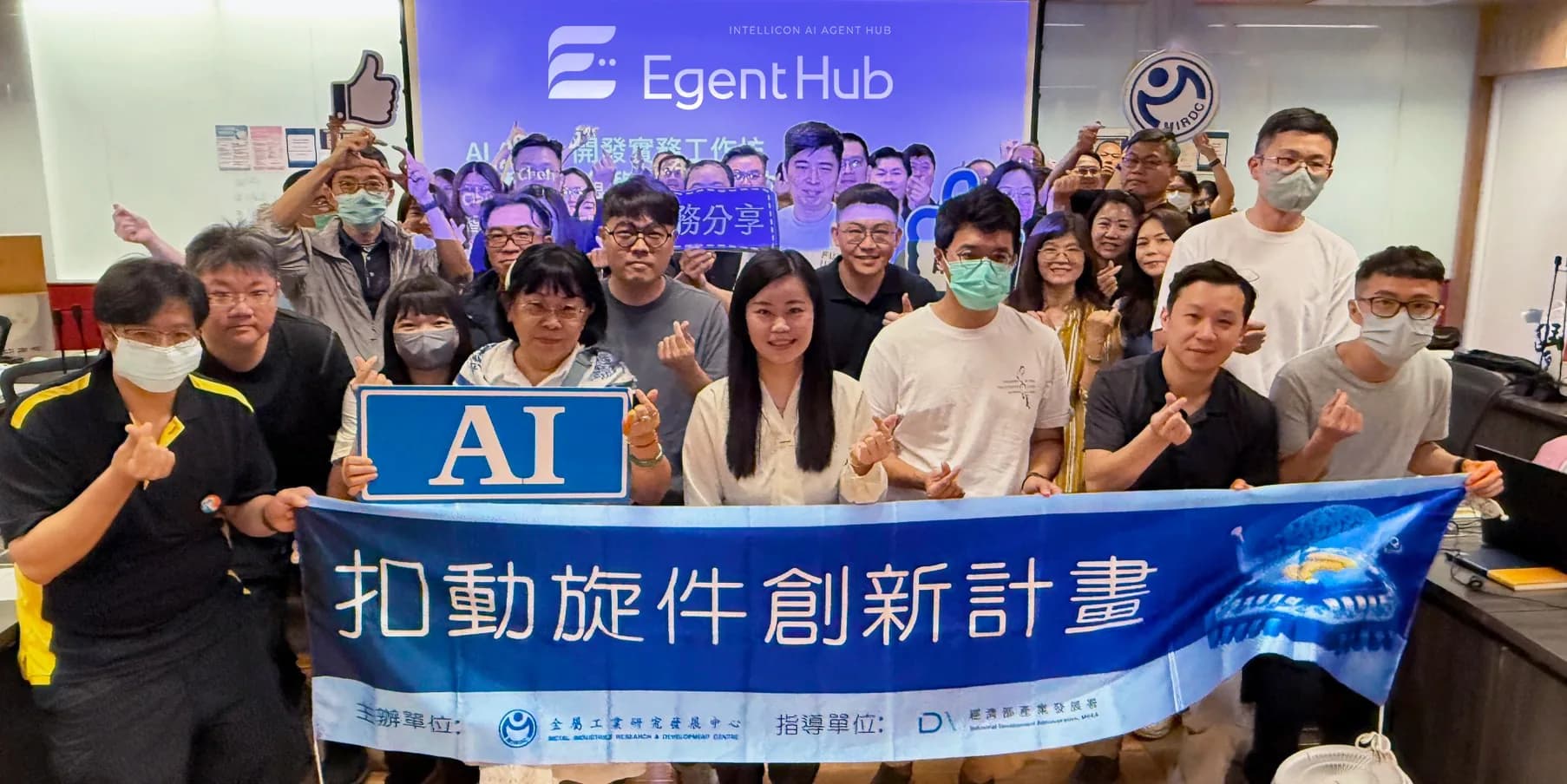
Group photo of participants at a MIRDC smart application workshop

Invited three times by MIRDC, with every course full as soon as registration opened

In 2025 the Metal Industries Research & Development Centre (MIRDC) ran the AI Agent development workshop with us three times. Combining theory with hands-on exercises, it took managers and engineers from the fastener and machine tool industries through process inventory, data preparation, prompt writing and AI Agent design, and each course filled up as soon as registration opened. In the same period we helped metalworking companies adopt AI Agents for quotation specification matching, customer complaint replies and ISO quality manual summaries. At one fastener maker, quoting time dropped from 2 hours to 5 minutes.

Read the news →

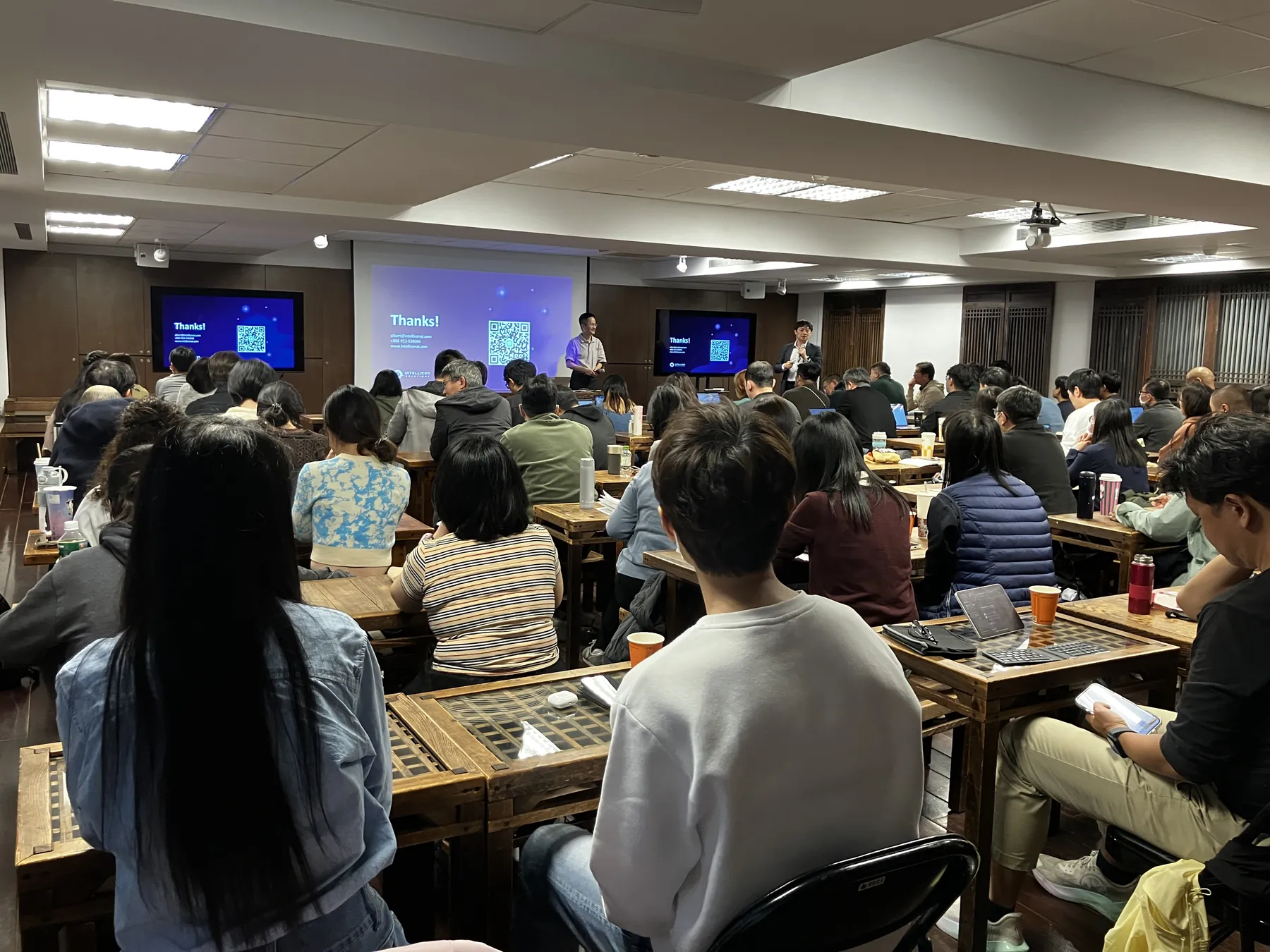
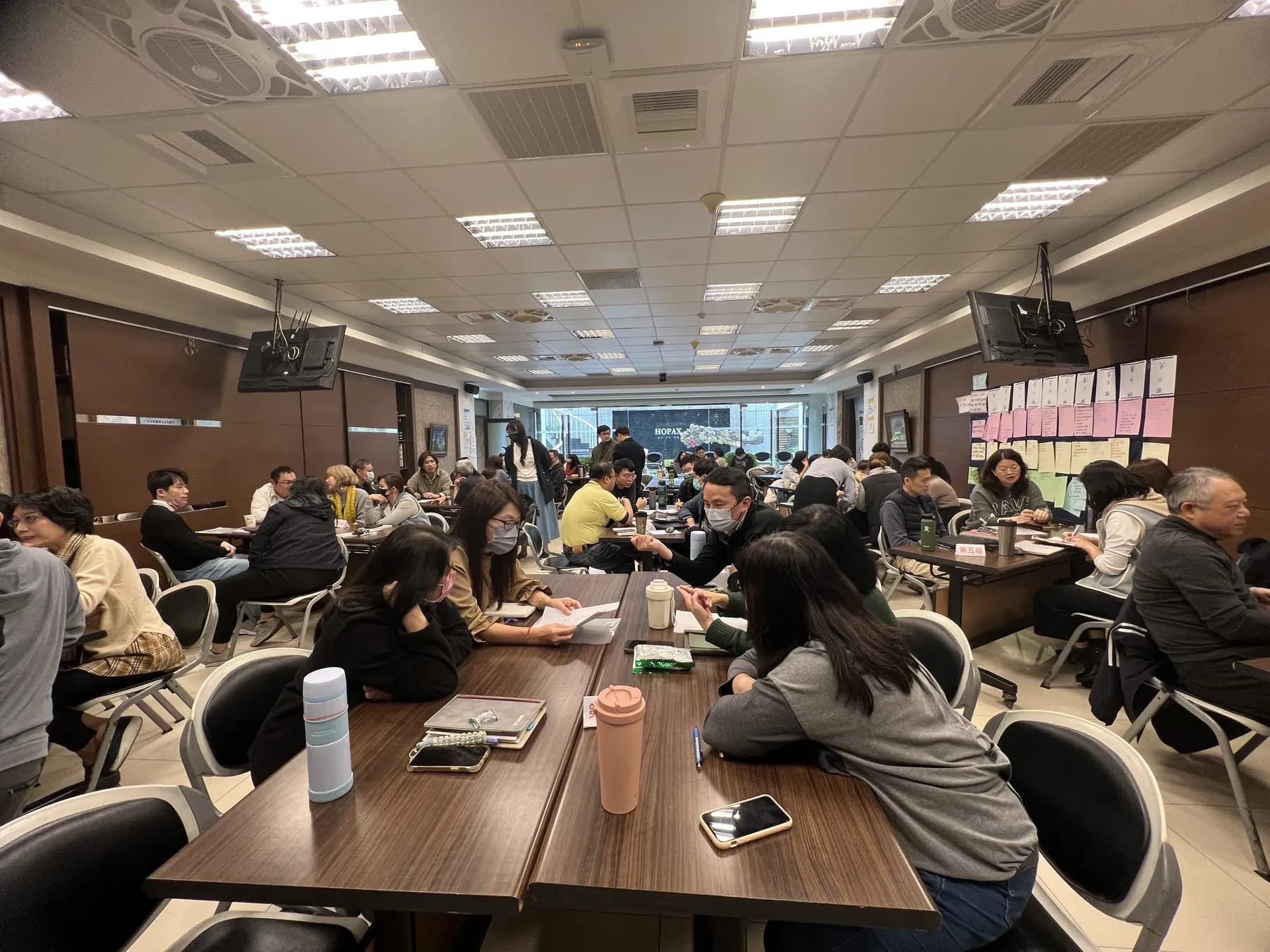
In the classroom

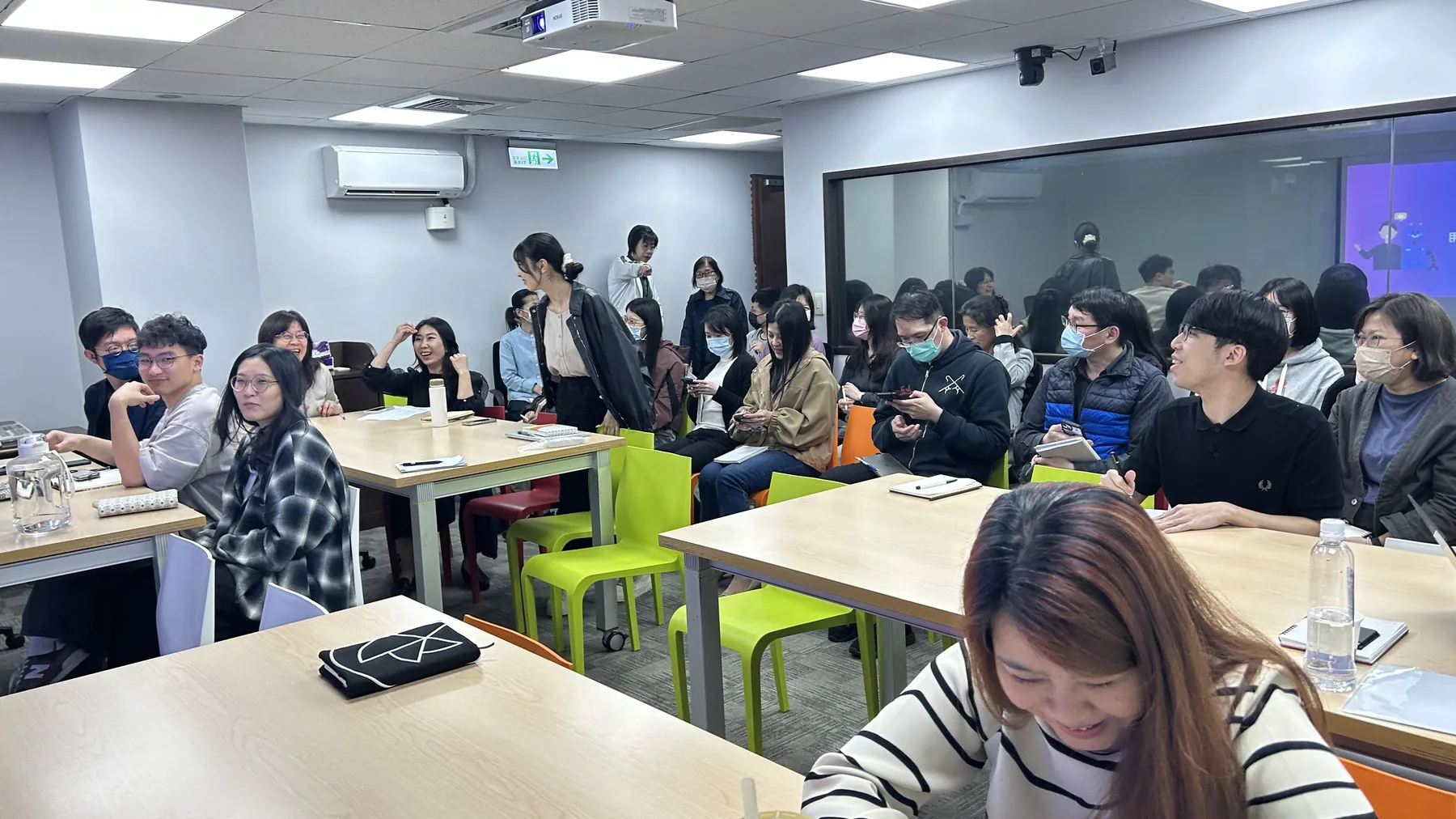
Enterprise AI training in the classroom
05

Why we teach this way

Whether an AI course works depends on whether people can keep going on their own after they leave the room.

Processes first, tools second

Tools keep changing, but the ability to break work into steps and define inputs and outputs does not go out of date. That is why the course spends the most time on breaking down processes, and platform operation comes last.

Taught with your own documents

We collect the task inventory before the course and prepare demonstrations with your real documents, so participants see AI handling the work they do every day rather than a textbook example.

No IT involvement and no homework

The goal of the first stage is confidence, so the course needs no integration with company systems and sets no homework. Complex tasks that need IT come once people have results and the department has seen the benefit.

Demo prompts handed over in full

The prompts the instructors write for the tailored demos are taught to participants in full. Together with the TURBO framework and structured prompt design, participants can apply them to new tasks back in their departments.

EgentWrX and the companies rolling out human-AI collaboration

Across textiles, fasteners, precision machinery, chemicals, auto parts, electronics, food chains and the public sector.

  • 廣運機械
  • 東陽
  • 復盛
  • 崇友實業
  • 勝一化工
  • 紡拓會
  • 弘裕企業
  • 宏于電機
  • 金運科技
  • 太極能源
  • 大武山
  • 日翊
  • 宗連
  • 永暘
  • 旭榮集團
  • HOPAX 聚和國際
  • 南緯實業
  • 港苑國際
  • 來思企業
  • 亨昇國際
  • CAMA 咖碼
  • 至興精機
  • 友鋮
  • 東元科技文教基金會
  • 佳宸科技
  • 如保興業
  • JS Adways
  • 雨傘王
  • IPEVO
  • 工研院
  • 金屬中心
  • 創意點子
  • 合邦建設
  • 新日興股份有限公司
  • SCI 飛雁
06

Instructors

All of our instructors work on the front line of enterprise adoption. The cases and methods shared in class come from adoption projects we have actually carried out with clients.

Albert Chen

Albert Chen

CEO & Co-founder

Over 20 years in product innovation and marketing. Xiangwang Technology, which he co-founded, was acquired by LINE Taiwan in 2017, after which he served as senior director of the e-commerce division at LINE Taiwan and launched LINE Shopping and LINE live commerce. As co-founder and CEO of Intellicon Solutions, he has led the team in helping more than 500 companies adopt AI Agents, winning the Gold Award at the 2026 FCA and the Best AI Awards from Taiwan’s Ministry of Economic Affairs. He also teaches at the National Taiwan University School of Professional and Continuing Studies, received the Best Speaker Excellence Award at the 2026 AI Award, and gives dozens of talks and courses each year for organisations including MIRDC, the Plastics Industry Development Center, the Institute for Information Industry, ITRI, the Taiwan Electrical and Electronic Manufacturers’ Association, the Taiwan Machine Tool & Accessory Builders’ Association, and the EMBA programmes of National Taiwan University and National Central University. He holds degrees in civil engineering and business administration from National Taiwan University.

Claudia Chen

Claudia Chen

COO & Co-founder

Founded Zhixing International in 2018 and launched several restaurant brands, which were acquired by a restaurant group in 2022. She then became a senior PMO project manager at 91APP, building experience in brand management, operations and cross-department projects. As co-founder and COO of Intellicon Solutions, she has taught companies across petrochemicals, textiles, footwear, electronics, automotive parts, fasteners, food machinery, food service and marketing media. She led a 7-day hands-on training at a textile group’s plant in Vietnam, where 60 front-line employees from manufacturing, engineering, HR, procurement and facilities built more than 20 AI Agents by the end of the course. She has also taught industry workshops at MIRDC and the Plastics Industry Development Center many times, with a focus on helping companies take stock of their processes first and then turn senior staff’s experience into skills others can repeat.

Rayson Fang

Rayson Fang

FDE Implementation Consultant

Works on site with client companies as an FDE (Forward Deployed Engineer), supporting the whole journey from requirements interviews and AI Agent development to testing and handover. He has served more than 20 companies across textiles, metal fasteners, electrical machinery and chemicals. He specialises in planning cross-department multi-AI Agent systems, linking work spread across sales, procurement, production control and finance into a relay workflow so that a single document no longer goes back and forth between departments. He holds the Intermediate level of the iPAS AI Application Planner certification from Taiwan’s Ministry of Economic Affairs.

FAQ

The questions we hear most when companies plan in-house training.

Can the workshop be held at our office?
Yes. The workshop can be taught in person at your company or streamed live online. Training in-house lets participants bring real workflows into the classroom, so they practise on the work their department will do tomorrow. Location, sessions and format are agreed when we plan the course.
Do participants need a programming background?
No. The course needs people who know their department’s processes, not people who can code. Prompts and AI Agents are designed in plain language, and instructors are in the room during the hands-on sessions, so front-line staff, department heads and digital transformation teams can all attend together.
How many people per class, and how do you handle larger groups?
One instructor teaches up to 20 people, and a technical tutor joins when there are more than 20, because half the time is hands-on and every participant needs support. Larger companies can split into several sessions or run several rooms at once, and company-wide awareness courses can be planned separately from hands-on courses for champions.

What should we prepare before the course?
Before the course, participants fill in a task inventory listing the work they want to hand to AI, the data involved and the output they expect, and the instructors prepare demonstrations around those tasks. On the day, participants bring their own laptops, and the company provides a room, a projector and a stable network.

How is this different from a typical AI course?
Most AI courses introduce what a tool can do. Ours starts from participants’ own work, breaks down the process first and then builds it with an AI Agent. When the course ends, every participant has an AI Agent built around their own task, not just a set of notes.

How is the course priced?
Pricing depends on the format, hours, number of sessions and headcount, and on whether the demos are tailored. Tell us roughly how many people will attend and the work you want to tackle, and we will send a course plan and quote.
30 minutes to map out which work to hand to AI first

Want every employee to have their own AI teammate?

A consultant will be in touch shortly.